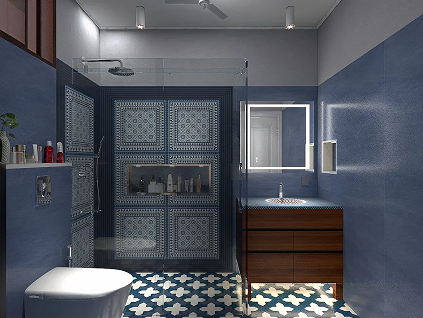
EXPERT ADVISE
Is Professional Bathroom Design Worth the Cost?
February 2, 2026
.jpeg)
Designing or renovating a bathroom is one of the most important decisions homeowners make during a home upgrade. Bathrooms are functional, technical, and deeply connected to health, safety, and daily comfort. This is why the question often arises: Is professional bathroom design really worth the cost, or can homeowners manage on their own?
This in-depth guide explores the value of professional involvement through research, housing data, and best-practice principles. Written with a neutral, educational approach, the article reflects the quality-first philosophy followed by my bath space and helps homeowners make confident, informed decisions.
Introduction: Why Bathroom Design Decisions Matter
Bathrooms may be smaller than kitchens or living rooms, but they are among the most complex spaces in a home. Plumbing, waterproofing, ventilation, lighting, electrical safety, and material durability all intersect in one compact area. A mistake in any one of these elements can lead to long-term issues such as water damage, mold growth, or costly repairs.
Well-planned bathroom designs consider both visible aesthetics and invisible systems. Professional planning focuses not only on appearance but also on usability, hygiene, safety, and long-term performance—core principles followed by my bath space when approaching modern bathroom projects.
Background: The Growing Importance of Bathrooms in Modern Homes
Bathrooms have evolved from purely functional spaces into wellness-oriented environments. Key factors influencing this shift include:
Increased time spent at home
Aging populations requiring safer layouts
Rising awareness of property value optimization
Focus on water and energy efficiency
These changes have elevated bathroom interior design from a decorative choice to a functional investment that impacts daily life and long-term property performance.
What Professional Bathroom Design Actually Includes
Professional bathroom design is a structured and methodical process, not just a styling service. It typically includes:
1. Functional Assessment
Understanding household usage patterns, storage needs, and mobility requirements.
2. Technical Planning
Accurate layouts, plumbing alignment, electrical safety, ventilation, and waterproofing strategies.
3. Material & Fixture Selection
Choosing finishes and fixtures based on moisture resistance, durability, safety, and maintenance—not just visual appeal.
4. Budget Structuring
Allocating funds efficiently to avoid overspending on non-essential elements.
5. Execution Coordination
Clear drawings and specifications help contractors deliver results accurately and efficiently.
These steps form the foundation of reliable, long-lasting bathroom designs—a core design approach emphasized by my bath space.
Understanding the Cost of Professional Bathroom Design

Bathroom renovation costs vary based on size, materials, and complexity. In India, typical cost ranges include:
Basic upgrades: ₹50,000 – ₹1,00,000
Mid-range renovations: ₹1,50,000 – ₹3,00,000
Premium or luxury bathrooms: ₹5,00,000 and above
Professional design fees are generally a small percentage of the total project cost. While this adds to upfront expenses, design-led projects are statistically less likely to suffer from budget overruns due to incorrect execution or material failure.
Return on Investment: Is It Financially Justified?
From a resale perspective, mid-range bathroom renovations often recover 50–65% of their cost, depending on market conditions. However, the real value of professional design lies beyond resale figures.
Long-term returns include:
Lower repair and maintenance costs
Improved water and energy efficiency
Enhanced safety and accessibility
Greater daily comfort and usability
This holistic value approach is what distinguishes best bathroom designs from purely cosmetic renovations.
Key Benefits of Hiring a Professional Bathroom Designer
1. Reduced Technical Errors
Professionals minimize common issues such as poor drainage, waterproofing failure, and ventilation inefficiencies.
2. Smarter Space Utilization
Design expertise helps maximize storage and movement even in compact bathrooms.
3. Health & Safety Advantages
Proper ventilation and moisture control reduce mold risk and improve indoor air quality.
4. Sustainability & Efficiency
Water-efficient fixtures and thoughtful layouts reduce long-term utility consumption.
5. Stress Reduction
Professional planning lowers homeowner involvement in day-to-day construction coordination.
These advantages contribute directly to durable, well-performing bathroom interior design outcomes.
Challenges to Consider Before Hiring a Professional
Additional upfront cost for design services
Longer planning phases before execution
Need for clear communication to align expectations
However, these challenges are manageable and often outweighed by the long-term benefits when projects are planned correctly.
Professional Design vs DIY: Making the Right Choice
When Professional Design Is Worth the Cost
Full renovations with plumbing or layout changes
Homes with elderly occupants or accessibility needs
High-use family bathrooms
Long-term residences where durability is critical
In these cases, professionally guided bathroom designs significantly reduce future risk.
When DIY or Partial Support Works
Cosmetic upgrades like fittings or paint
Fixed layouts with no plumbing changes
Homeowners with technical renovation experience
Even then, a design consultation can refine bathroom design ideas and prevent costly mistakes.
Best Practices for Maximizing Design Value
To achieve the best bathroom designs, homeowners should:
Define functional priorities early
Focus on performance before aesthetics
Choose timeless materials over short-term trends
Plan for future needs and accessibility
Invest in ventilation and waterproofing systems
These principles are central to the design philosophy promoted by my bath space.
Using Trends Responsibly in Bathroom Design

Trends should guide inspiration—not decision-making. Thoughtful designers help homeowners adapt bathroom design ideas to suit climate, maintenance needs, and long-term usability rather than following trends blindly.
Conclusion: Is Professional Bathroom Design Worth the Cost?
For most full renovations, the answer is yes. Professional involvement delivers measurable value through improved safety, efficiency, durability, and reduced long-term risk.
Well-executed bathroom designs are not just visually appealing—they support health, comfort, and long-term performance. With a balanced, research-driven approach like that followed by my bath space, homeowners gain confidence that their investment will continue to deliver value for years to come.
All Blogs
-
Bathroom Renovation in Delhi NCR: Complete Guide to Design, Cost, Process & Timeline
Sep 17, 2026
-
Space-Saving Small Bathroom Ideas for a Modern Makeover
Aug 31, 2026
-
Why My Bath Space Is the Go-To Bathroom Renovation Expert in Delhi
Aug 21, 2026
-
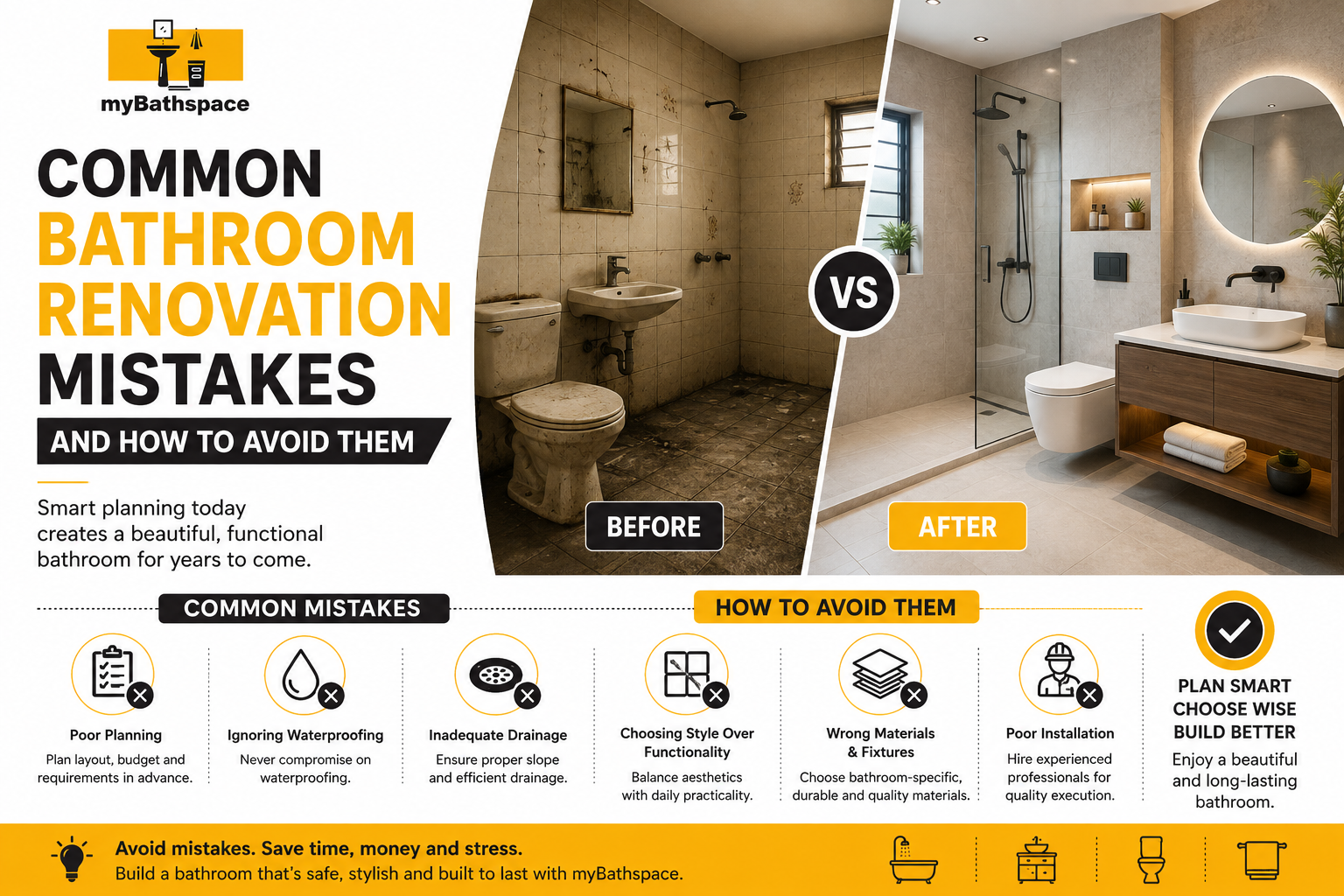
Common Bathroom Renovation Mistakes and How to Avoid Them
Aug 19, 2026
-

Small Bathroom Renovation Mistakes to Avoid: Expert Tips for a Beautiful & Functional Space
Jul 20, 2026
-
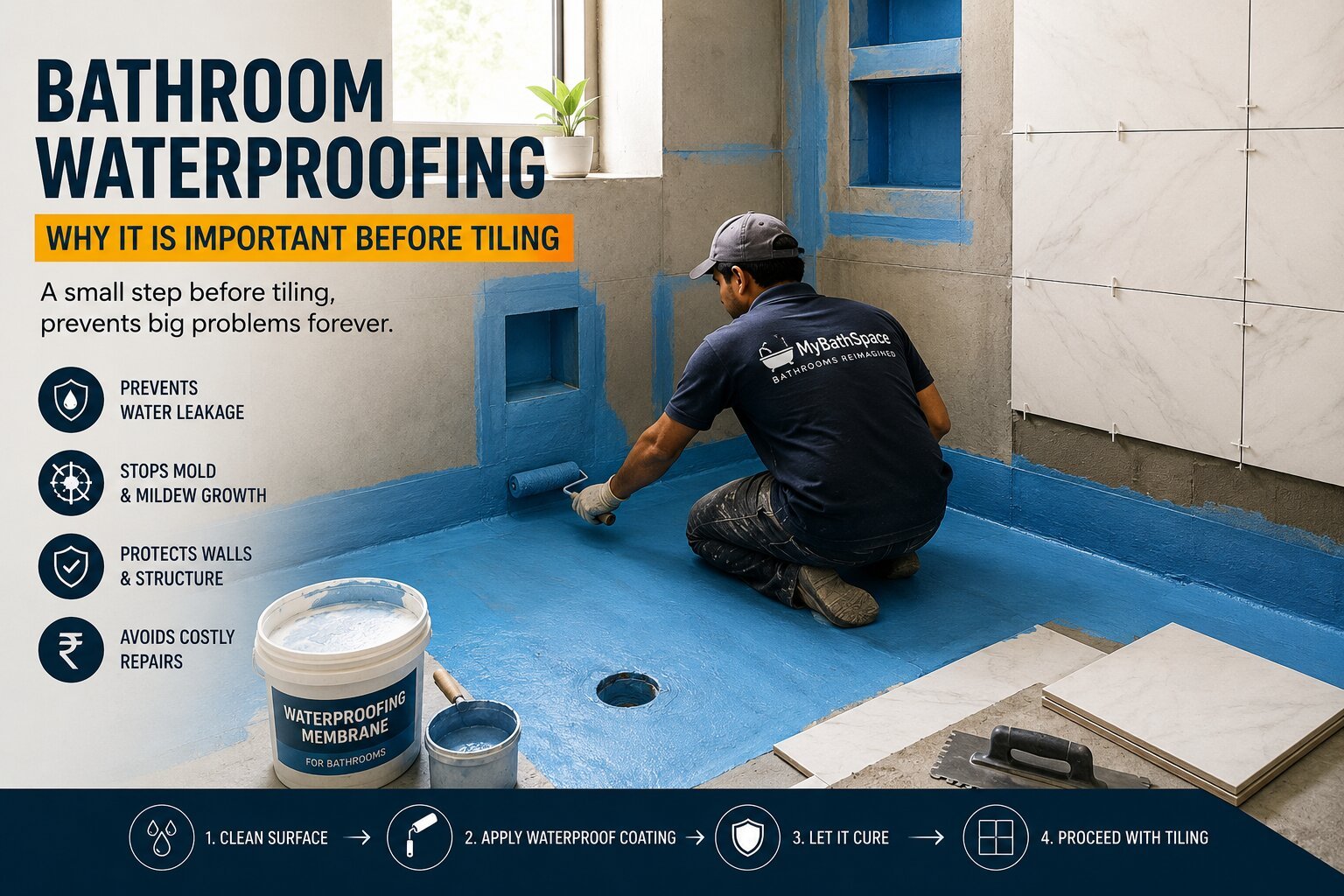
Bathroom Waterproofing: Why It Is Important Before Tiling
Jul 10, 2026
-
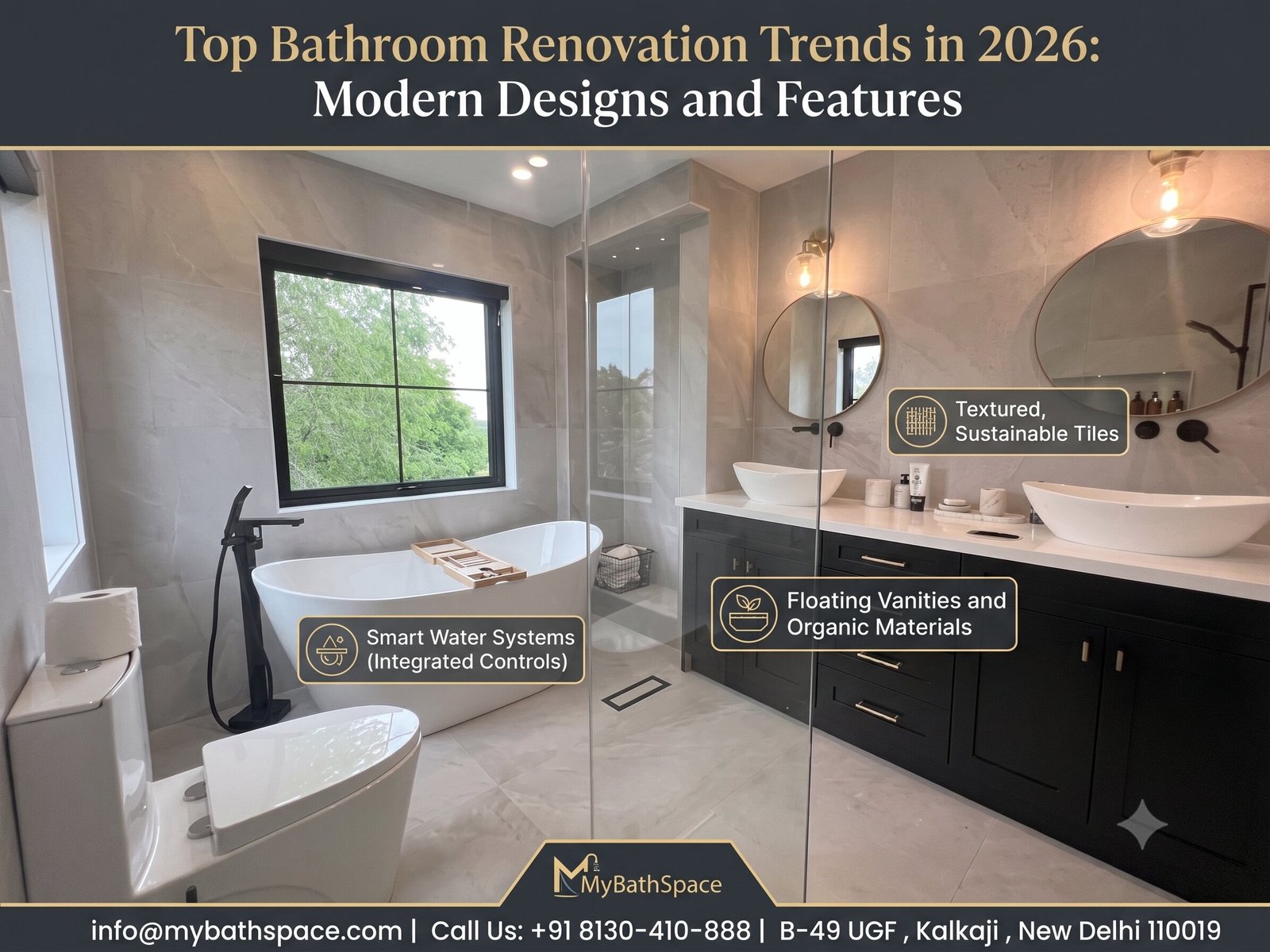
Top Bathroom Renovation Trends , Modern Designs and Features
Jul 02, 2026
-
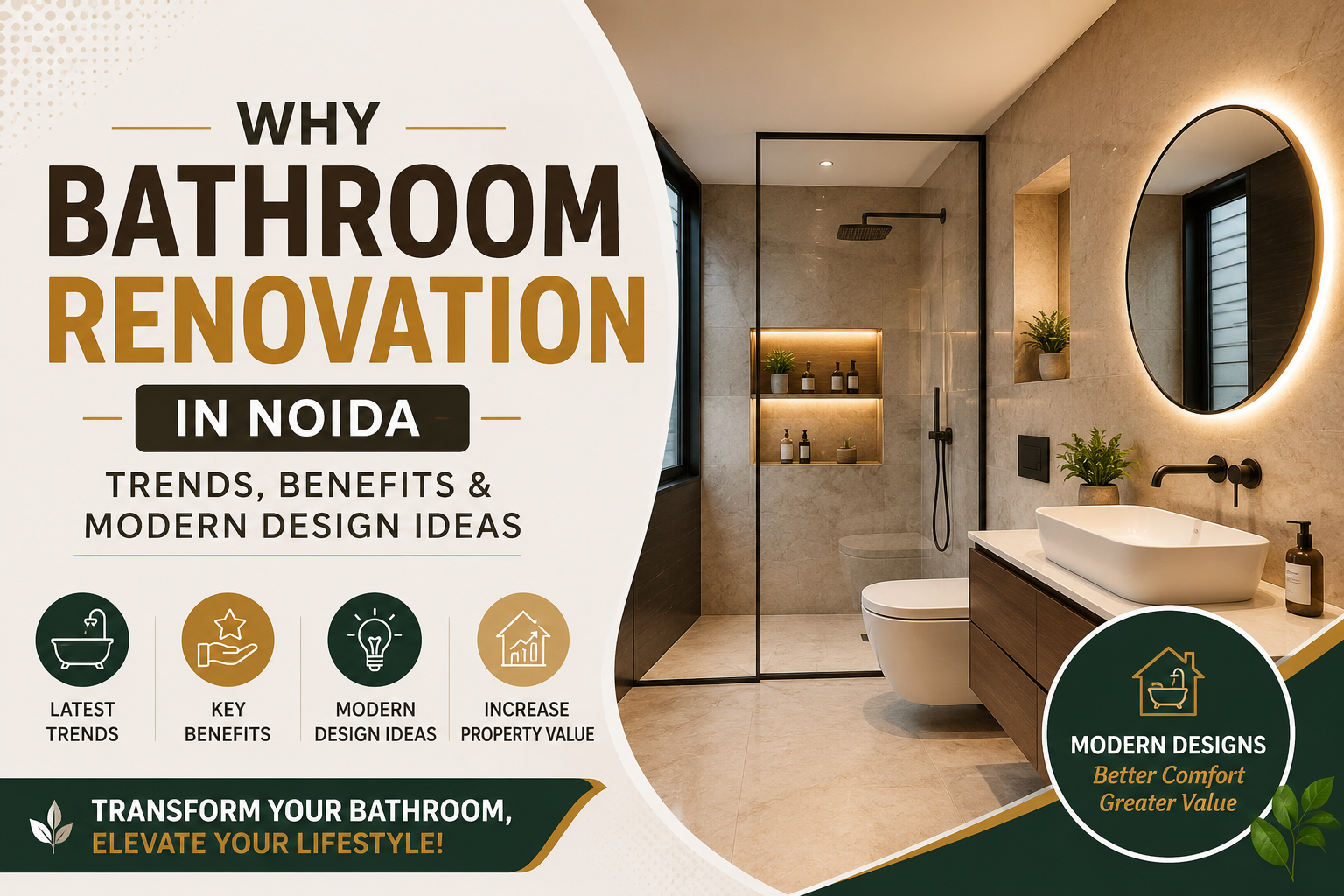
Why Bathroom Renovation is Becoming Popular in Noida: Trends, Benefits, and Modern Design Ideas
Jun 18, 2026
-
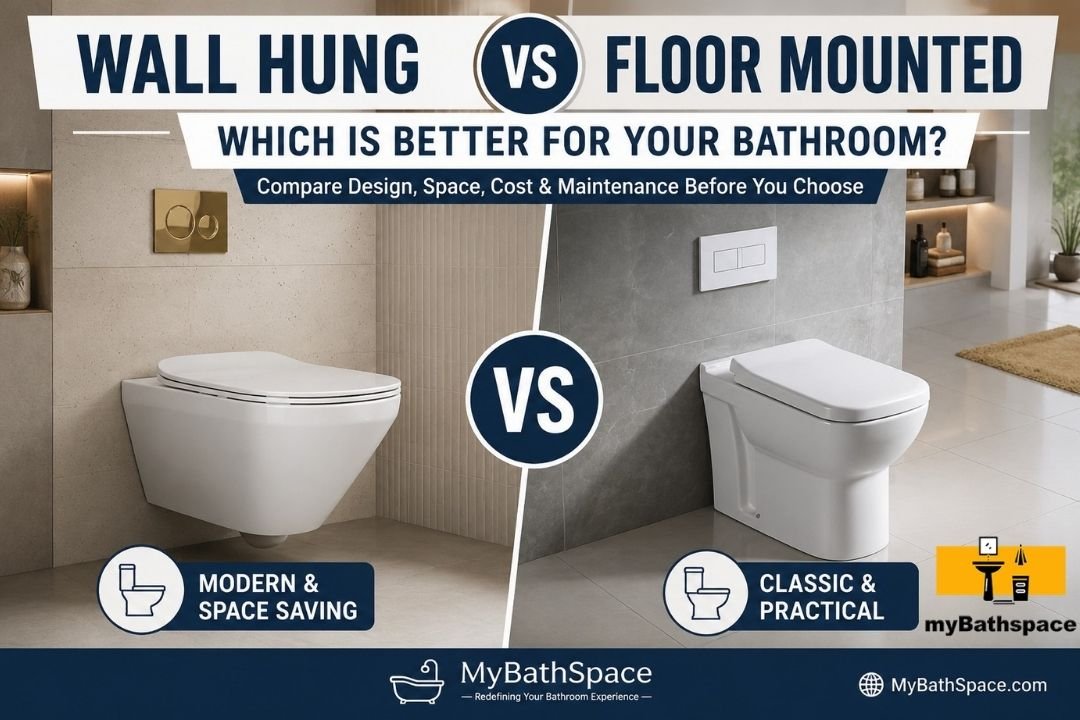
Wall Hung vs Floor Mounted Toilet: Which Is Better for Your Bathroom?
Jun 06, 2026
-
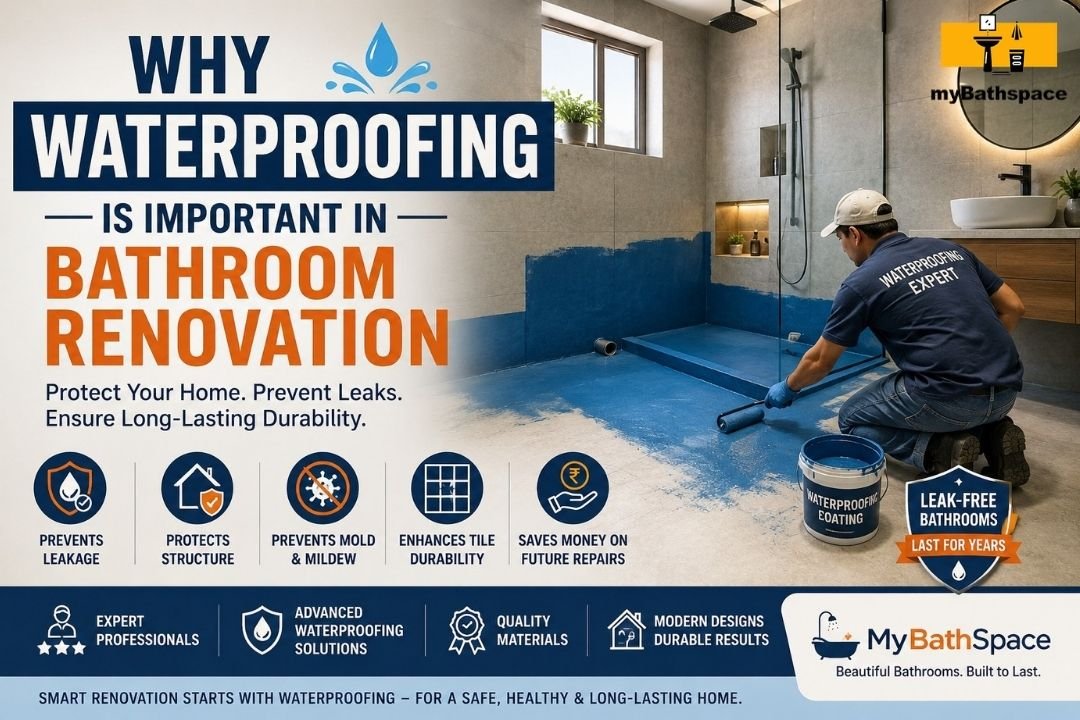
Why Waterproofing Is Important in Bathroom Renovation
May 22, 2026
-

Top Bathroom Storage Ideas for Clutter-Free Living
May 14, 2026
-
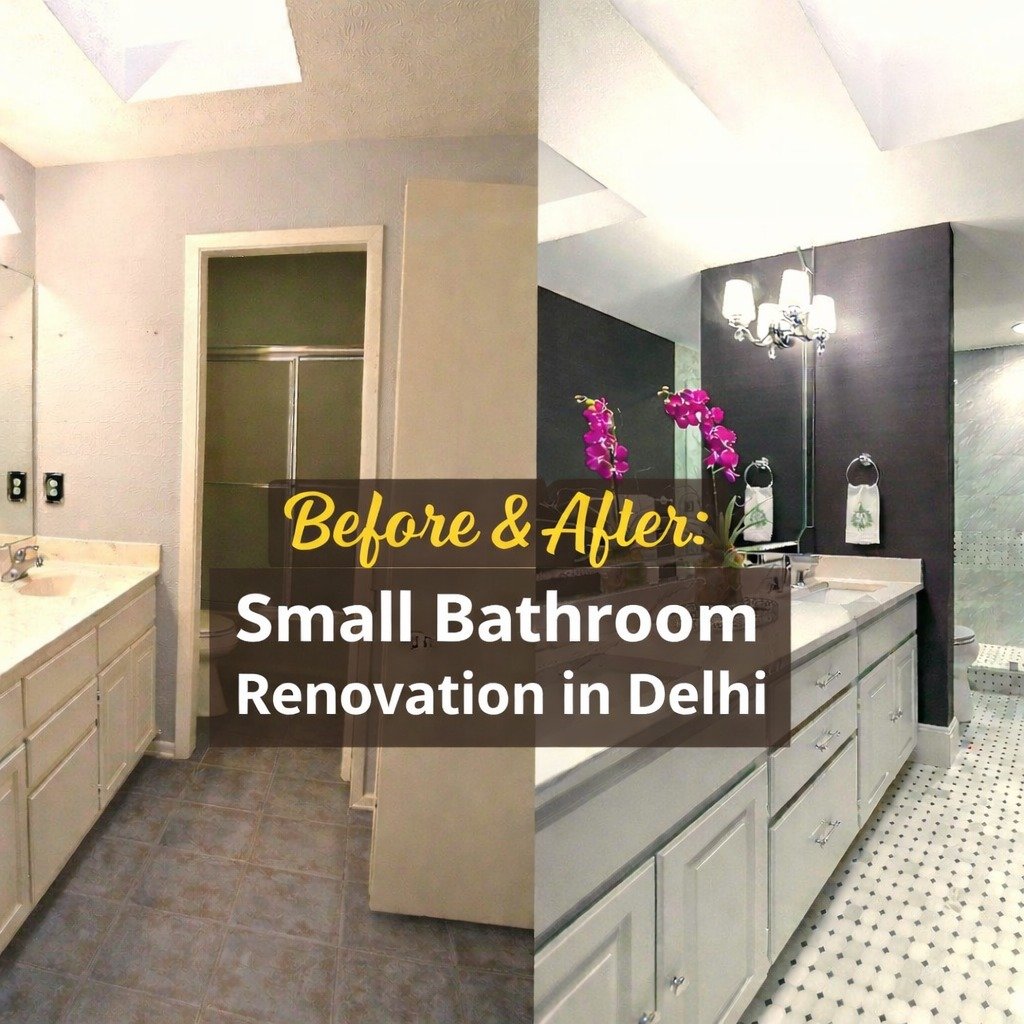
Before & After: Small Bathroom Renovation in Delhi
May 08, 2026
-
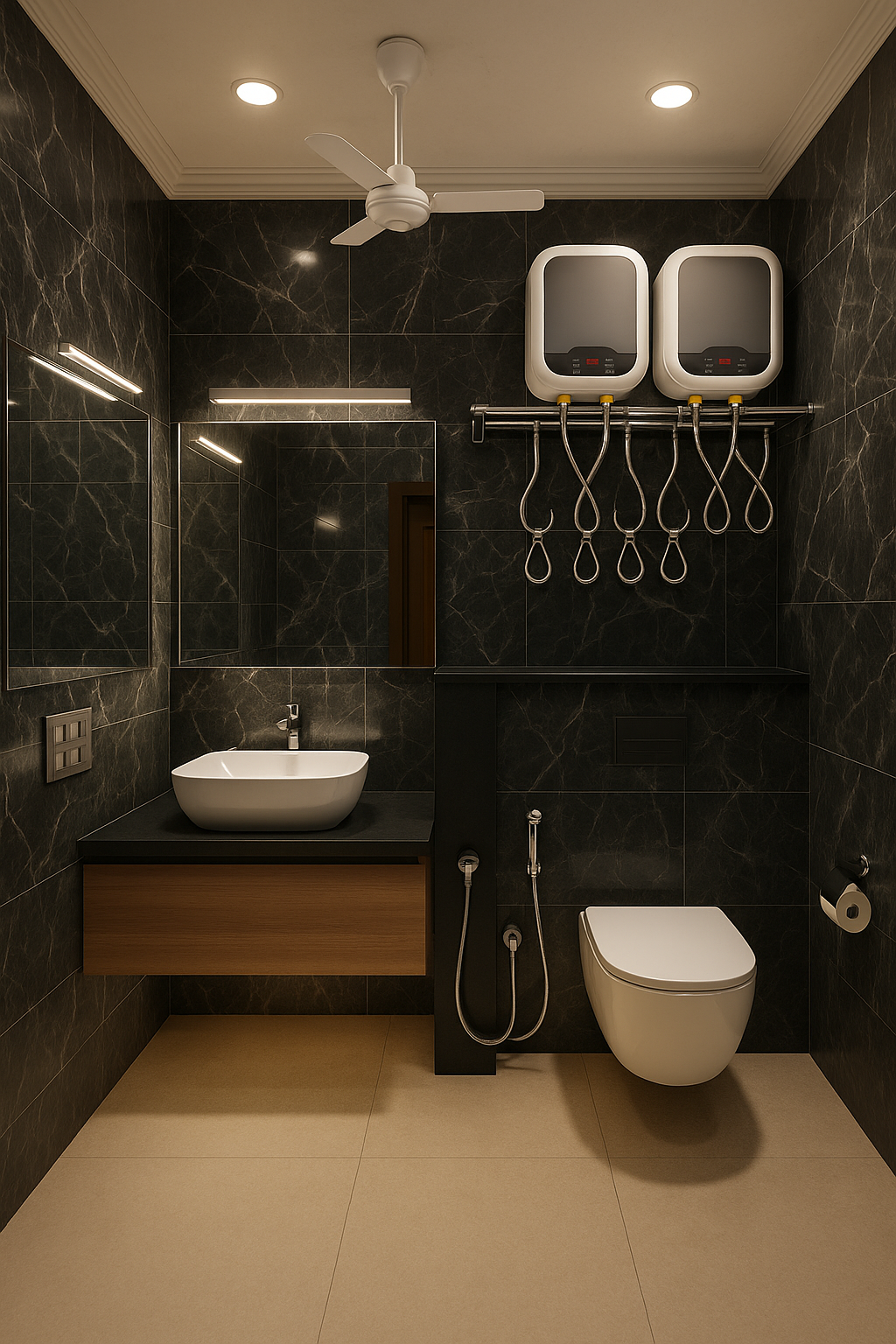
Waterproofing Mistakes to Avoid During Bathroom Renovation
Apr 06, 2026
-
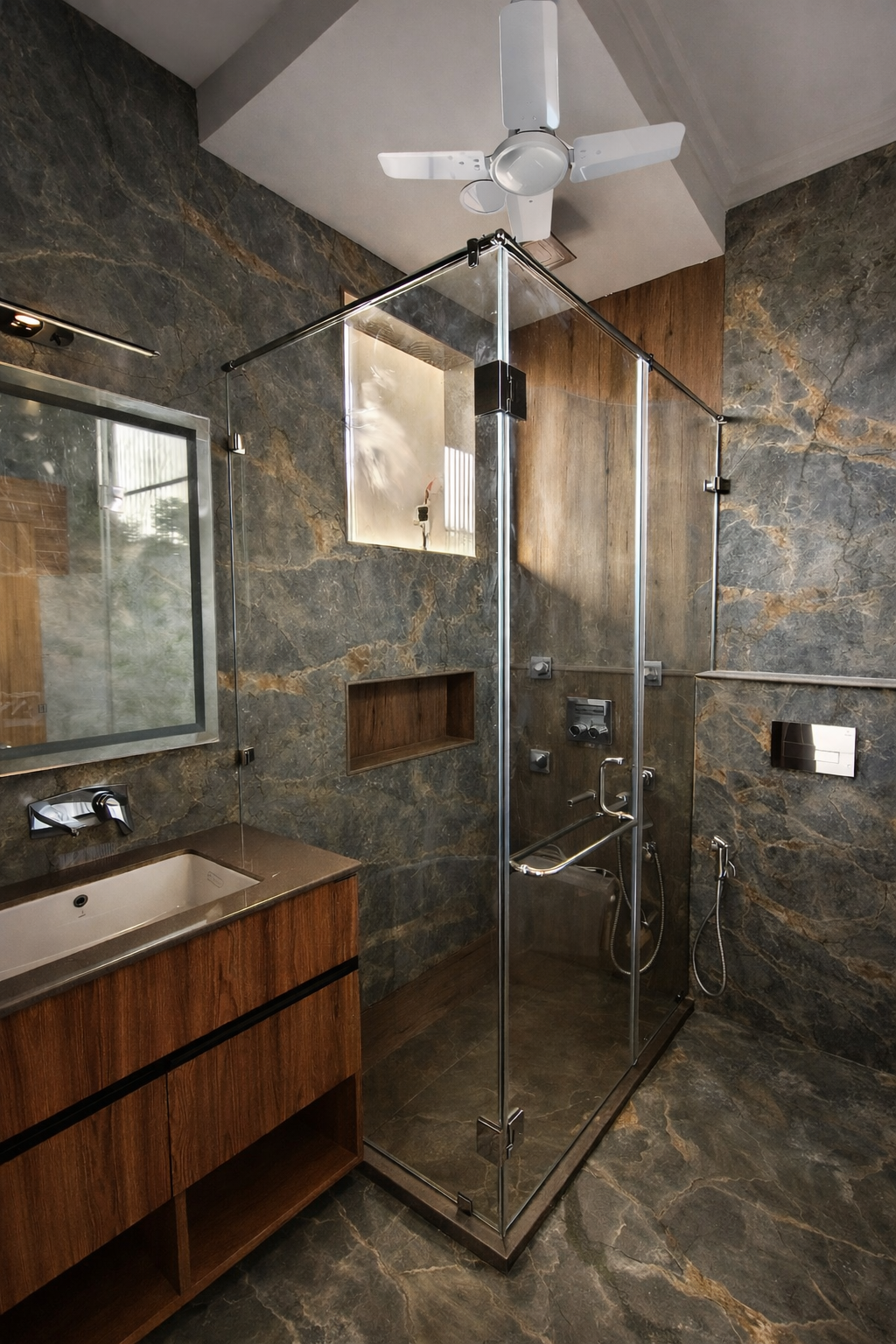
Is Modular Bathroom Design Worth It in India?
Mar 30, 2026
-
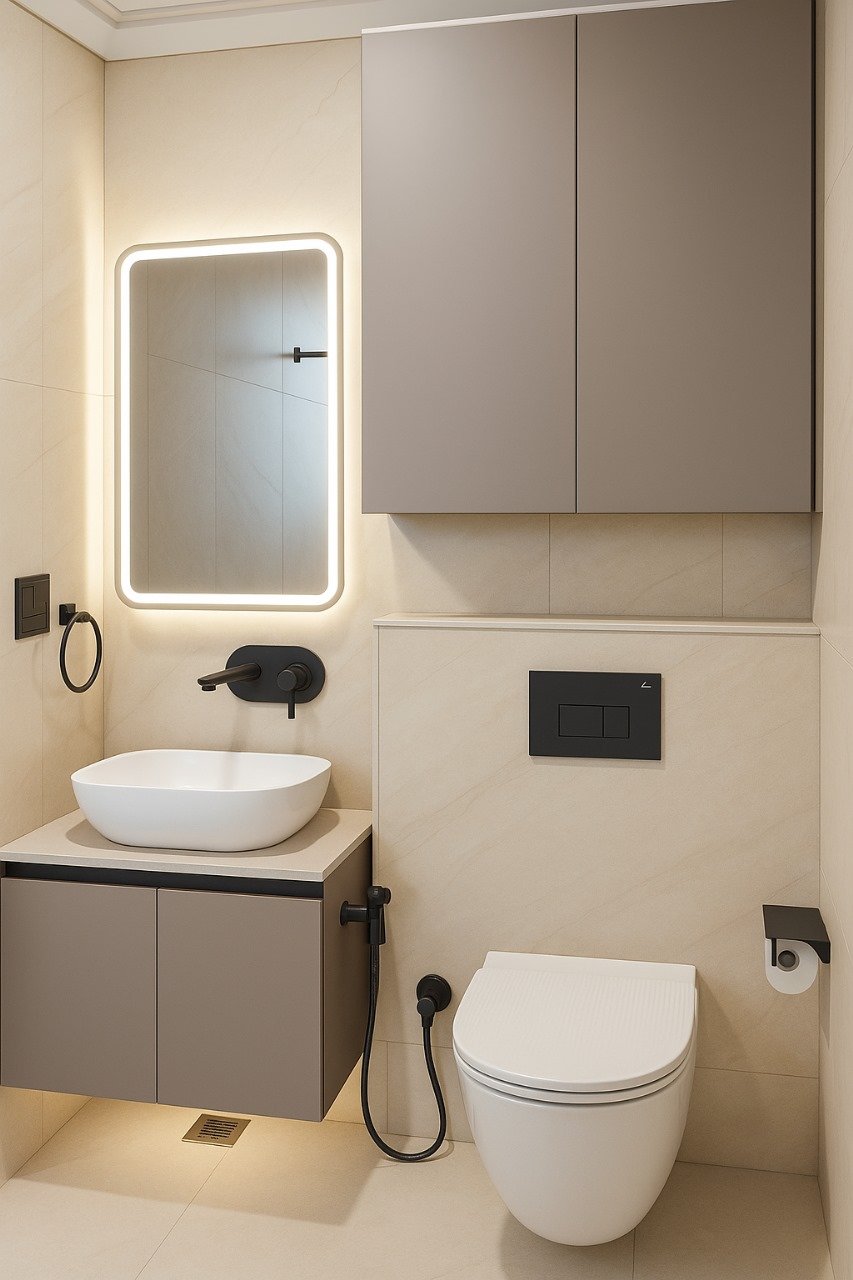
What Do Designers NEVER Tell You About Bathroom Renovation?
Mar 24, 2026
-
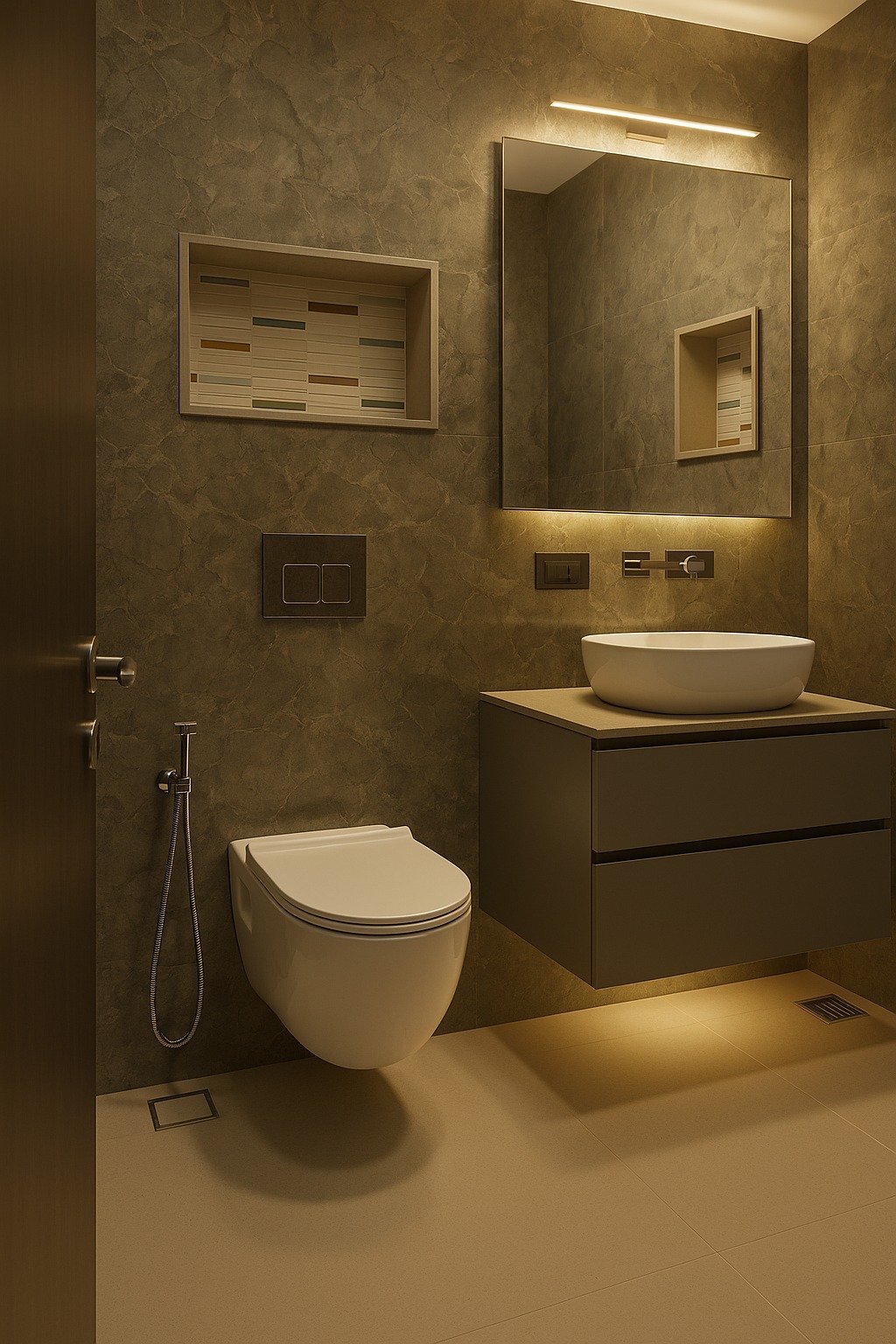
Bathroom Renovation: Is It Worth the Investment?
Mar 21, 2026
-

DIY vs Professional Bathroom Renovation: Which Is Cheaper?
Mar 11, 2026
-
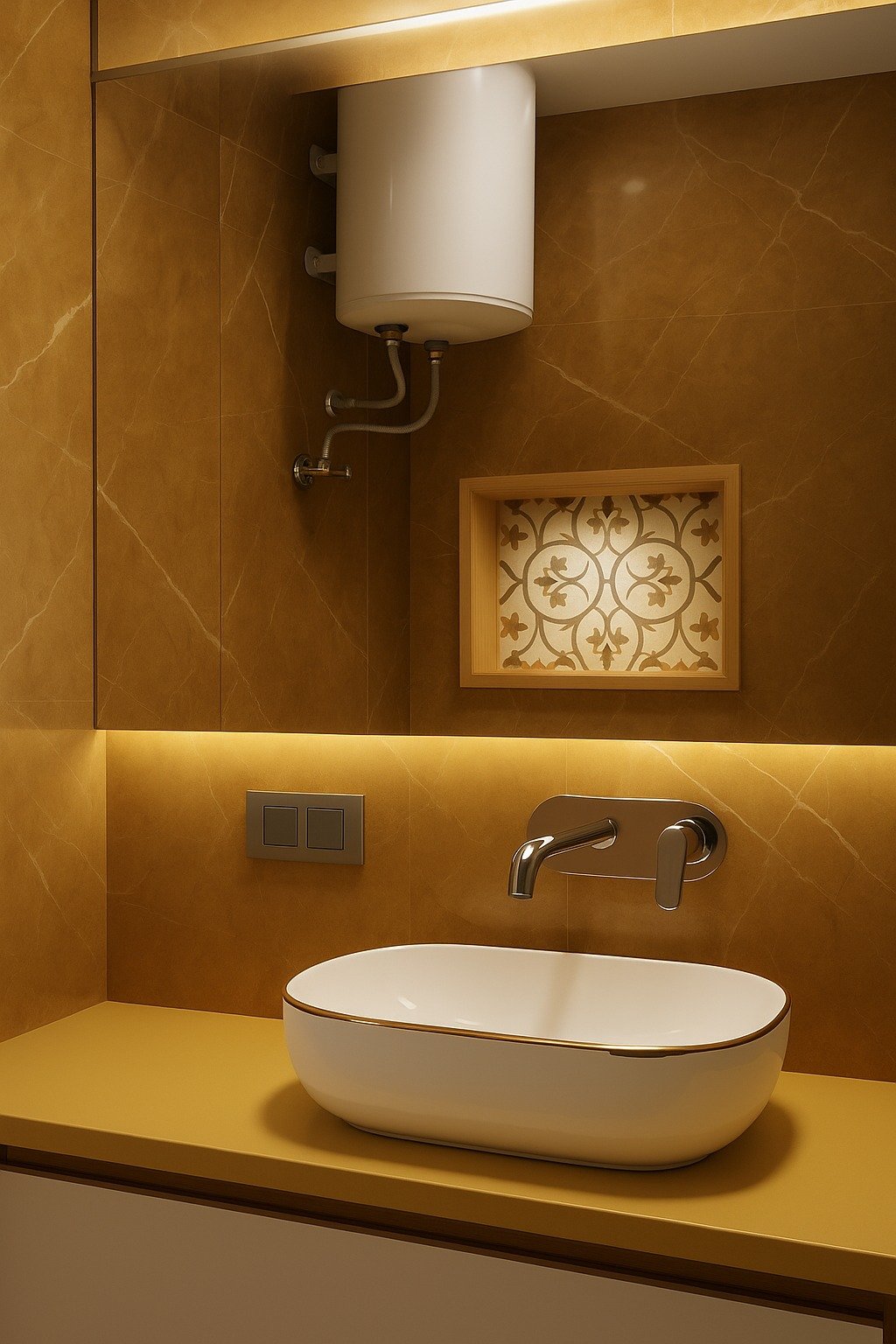
7 Bathroom Renovation Secrets Interior Designers Never Tell You
Feb 25, 2026
-
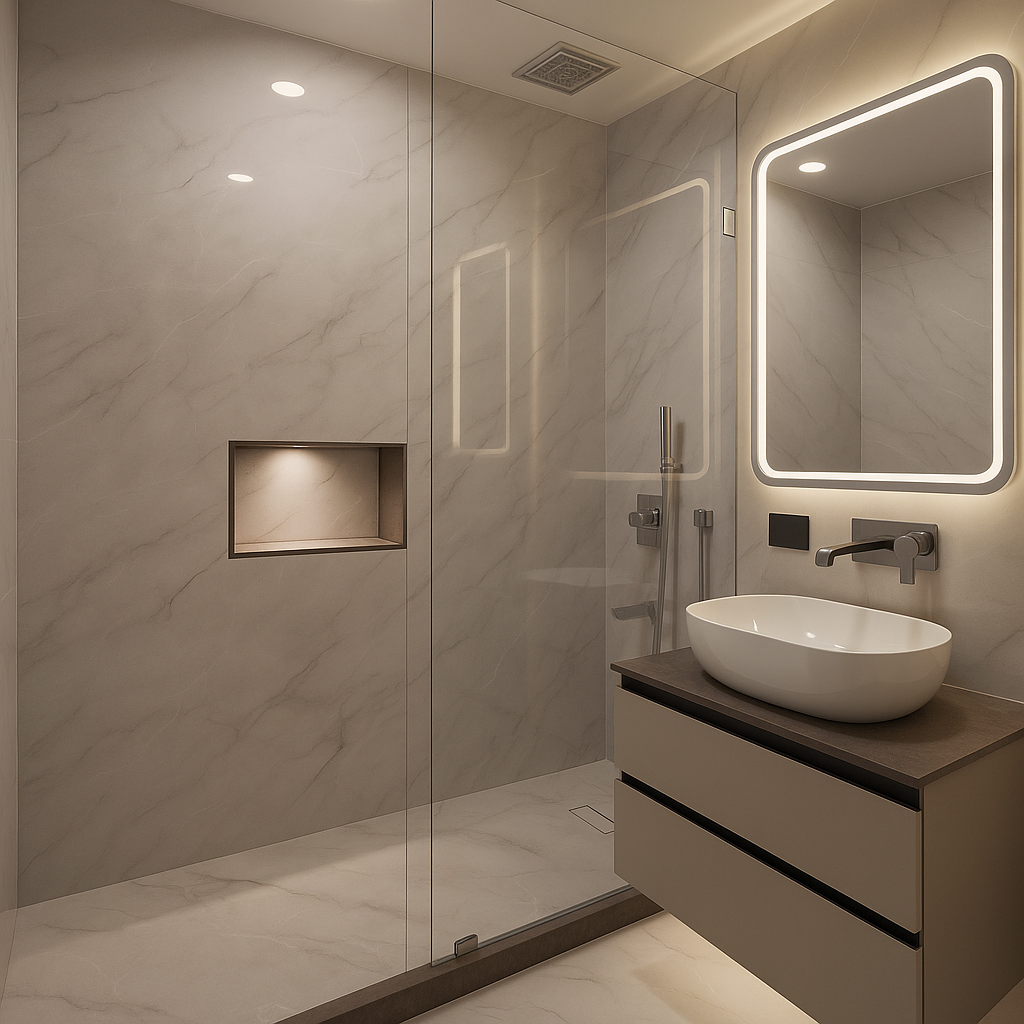
Low Budget Bathroom Design Ideas for Indian Homes
Feb 18, 2026
-
.jpeg)
Top 7 Questions to Ask Before Hiring a Bathroom Renovation Company in Delhi
Feb 13, 2026
-
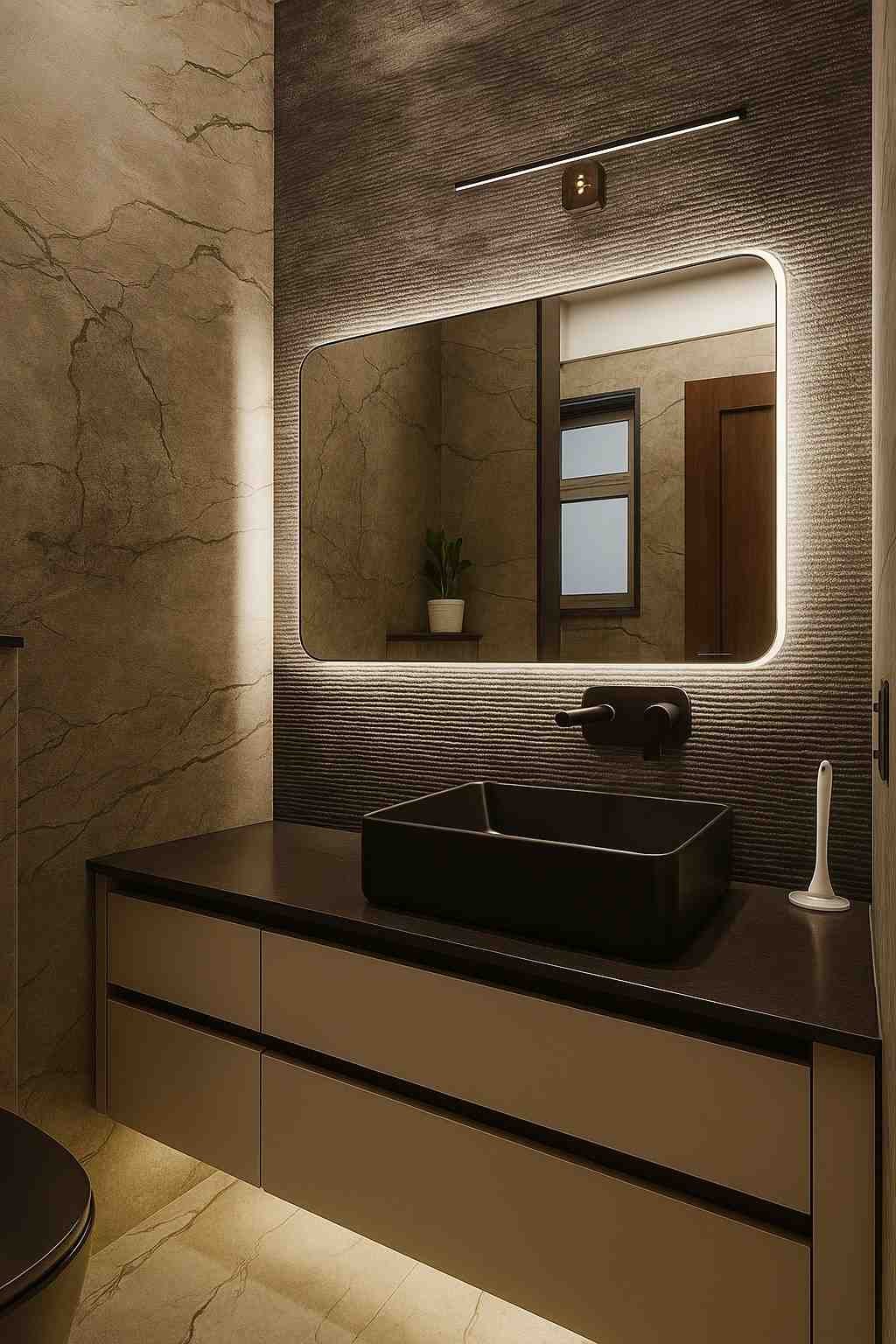
Why Bathroom Renovation Costs Increase & How to Control Them
Feb 06, 2026
-
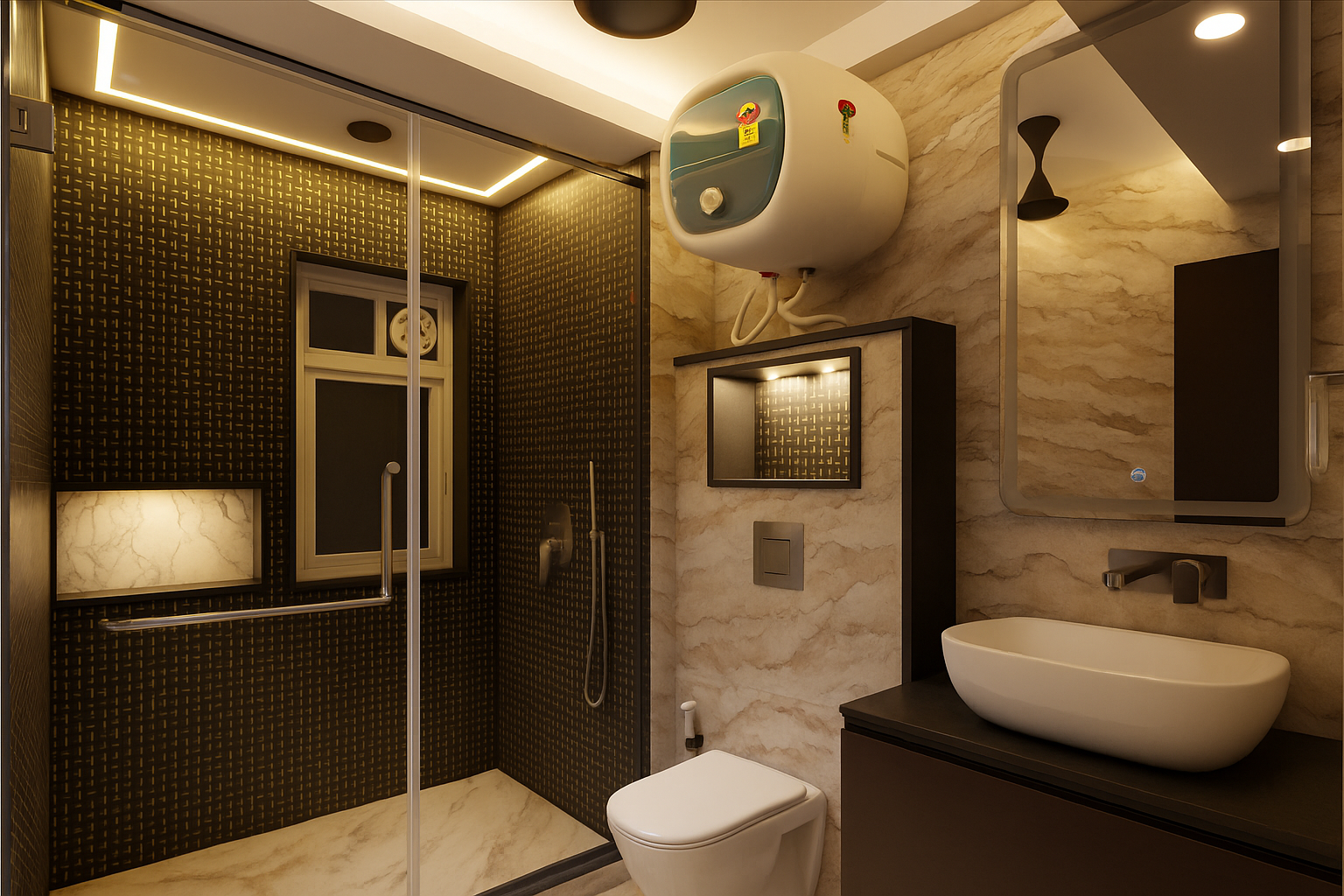
Bathroom Remodeling Red Flags Every Homeowner Should Watch For
Jan 29, 2026
-
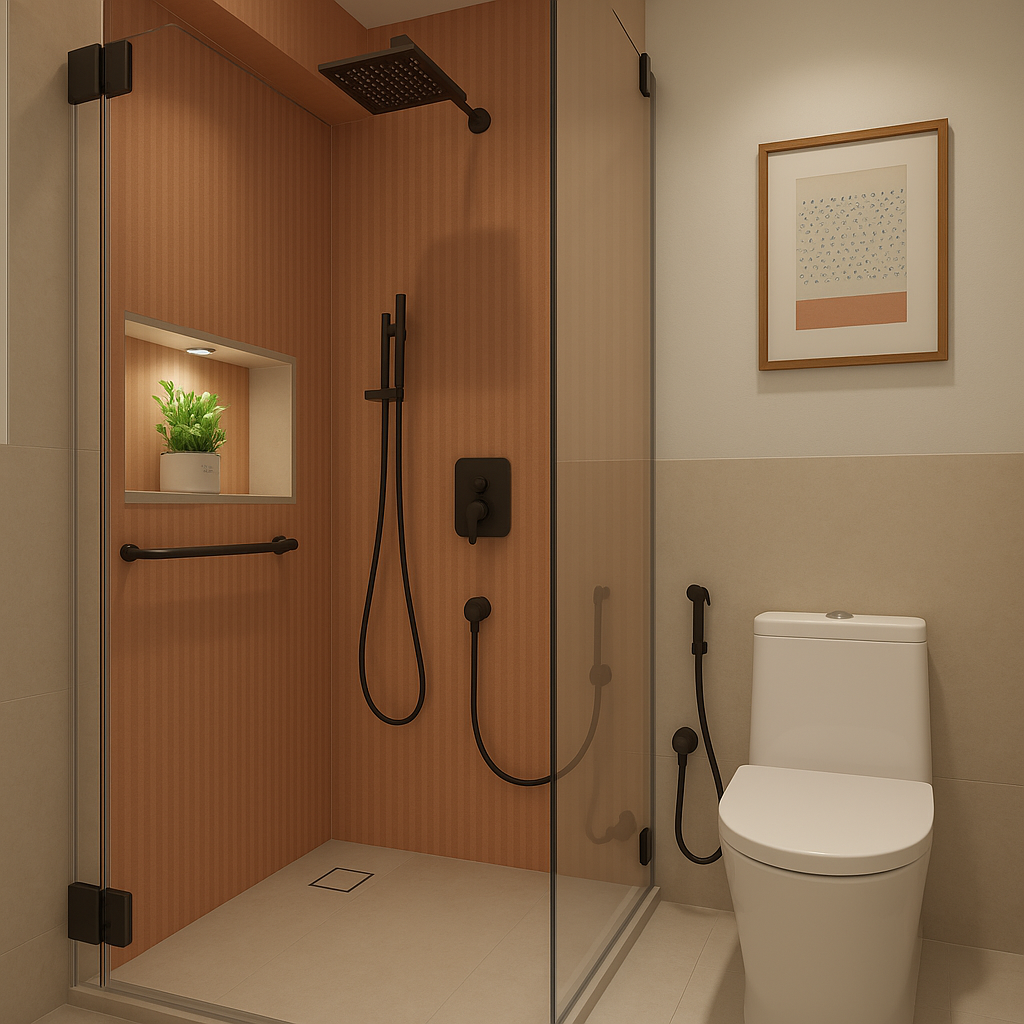
Bathroom Interior Designer in Delhi for Small Spaces: Smart Design Solutions
Jan 22, 2026
-
The Future of Relaxation: Top 7 Bathroom Makeover Trends to Watch in 2026
Jan 17, 2026
-
Plan Smart, Spend Right: Bathroom Renovation Cost Calculator by MyBathSpace
Jan 09, 2026
-
5 Ways to Make a Small Bathroom Look Expensive Without Breaking the Bank
Dec 26, 2025
-
Bathroom Renovation vs New Bathroom Design: What’s Better?
Dec 20, 2025
-
Bathroom Renovation Cost in Delhi NCR (2025 Guide)
Dec 15, 2025
-
.jpeg)
Why My Bath Space Is the Go-To Bathroom Renovation Expert in Noida
Dec 02, 2025
-
.jpg)
Budget-Friendly Bathroom Design Tips to Transform Your Space
Nov 26, 2025
-
Bathroom Tile Designs for Luxury Homes: Premium Inspirations
Nov 20, 2025
-
.jpg)
Bathroom Remodel Service in Delhi NCR | Upgrade Your Bath Space
Nov 14, 2025
-
.jpg)
Best Bathroom Contractor in Delhi | Modern Remodeling Experts
Nov 10, 2025
-

Smart Small Bathroom Renovation Ideas for Modern Homes
Nov 07, 2025
-

Tales of Tiles: Crafting Bathroom Elegance One Square at a Time
Jun 11, 2025
-

Top Bathroom Renovation Services in Delhi: Why myBathspace is the Best Choice
Apr 07, 2025
-

Best bathroom remodeling contractor near me.
Mar 13, 2025
-

Choosing the Right Material for Your Bathroom Remodel
Mar 13, 2025
-

Step By Step: Planning Your Perfect Bathroom Renovation
Mar 12, 2025
-

Top Bathroom Renovation Trends in 2025: Modern Designs And Features
Mar 12, 2025
-

Small Bathroom Remodel Ideas : Maximizing Space And Style
Mar 12, 2025
-

Transform Your Home with a Bathroom Renovation
Mar 12, 2025
Recent Blogs
-
Bathroom Renovation in Delhi NCR: Complete Guide to Design, Cost, Process & Timeline
-
Space-Saving Small Bathroom Ideas for a Modern Makeover
-
Why My Bath Space Is the Go-To Bathroom Renovation Expert in Delhi
-
Common Bathroom Renovation Mistakes and How to Avoid Them
-
Small Bathroom Renovation Mistakes to Avoid: Expert Tips for a Beautiful & Functional Space
-
Bathroom Waterproofing: Why It Is Important Before Tiling
-
Top Bathroom Renovation Trends , Modern Designs and Features
-
Why Bathroom Renovation is Becoming Popular in Noida: Trends, Benefits, and Modern Design Ideas
-
Wall Hung vs Floor Mounted Toilet: Which Is Better for Your Bathroom?
-
Why Waterproofing Is Important in Bathroom Renovation
-
Top Bathroom Storage Ideas for Clutter-Free Living
-
Before & After: Small Bathroom Renovation in Delhi
-
Waterproofing Mistakes to Avoid During Bathroom Renovation
-
Is Modular Bathroom Design Worth It in India?
-
What Do Designers NEVER Tell You About Bathroom Renovation?
-
Bathroom Renovation: Is It Worth the Investment?
-
DIY vs Professional Bathroom Renovation: Which Is Cheaper?
-
7 Bathroom Renovation Secrets Interior Designers Never Tell You
-
Low Budget Bathroom Design Ideas for Indian Homes
-
Top 7 Questions to Ask Before Hiring a Bathroom Renovation Company in Delhi
-
Why Bathroom Renovation Costs Increase & How to Control Them
-
Bathroom Remodeling Red Flags Every Homeowner Should Watch For
-
Bathroom Interior Designer in Delhi for Small Spaces: Smart Design Solutions
-
The Future of Relaxation: Top 7 Bathroom Makeover Trends to Watch in 2026
-
Plan Smart, Spend Right: Bathroom Renovation Cost Calculator by MyBathSpace
-
5 Ways to Make a Small Bathroom Look Expensive Without Breaking the Bank
-
Bathroom Renovation vs New Bathroom Design: What’s Better?
-
Bathroom Renovation Cost in Delhi NCR (2025 Guide)
-
Why My Bath Space Is the Go-To Bathroom Renovation Expert in Noida
-
Budget-Friendly Bathroom Design Tips to Transform Your Space
-
Bathroom Tile Designs for Luxury Homes: Premium Inspirations
-
Bathroom Remodel Service in Delhi NCR | Upgrade Your Bath Space
-
Best Bathroom Contractor in Delhi | Modern Remodeling Experts
-
Smart Small Bathroom Renovation Ideas for Modern Homes
-
Tales of Tiles: Crafting Bathroom Elegance One Square at a Time
-
Top Bathroom Renovation Services in Delhi: Why myBathspace is the Best Choice
-
Best bathroom remodeling contractor near me.
-
Choosing the Right Material for Your Bathroom Remodel
-
Step By Step: Planning Your Perfect Bathroom Renovation
-
Top Bathroom Renovation Trends in 2025: Modern Designs And Features
-
Small Bathroom Remodel Ideas : Maximizing Space And Style
-
Transform Your Home with a Bathroom Renovation