EXPERT ADVISE
Bathroom Waterproofing: Why It Is Important Before Tiling
July 10, 2026
Bathroom Waterproofing: Why It Is Important Before Tiling
A beautiful bathroom starts long before the first tile is installed. While homeowners often focus on choosing premium tiles, elegant fixtures, and stylish finishes, one of the most important steps in a successful bathroom renovation happens behind the scenes—bathroom waterproofing.
Many people assume that tiles alone can stop water from damaging their bathroom. In reality, tiles and grout are not completely waterproof. Over time, water can seep through tiny joints, cracks, and gaps, eventually reaching the walls and flooring beneath. Without proper waterproofing, this hidden moisture can lead to mould growth, structural damage, loose tiles, unpleasant odours, and costly repairs. Industry guidance consistently recommends installing a waterproof membrane before tiling because the membrane—not the tile—is what prevents water from penetrating the structure.
If you're planning a new bathroom or upgrading an existing one, understanding why waterproofing comes before tiling can help protect your investment for years to come.
Why Bathroom Waterproofing Should Always Come Before Tiling
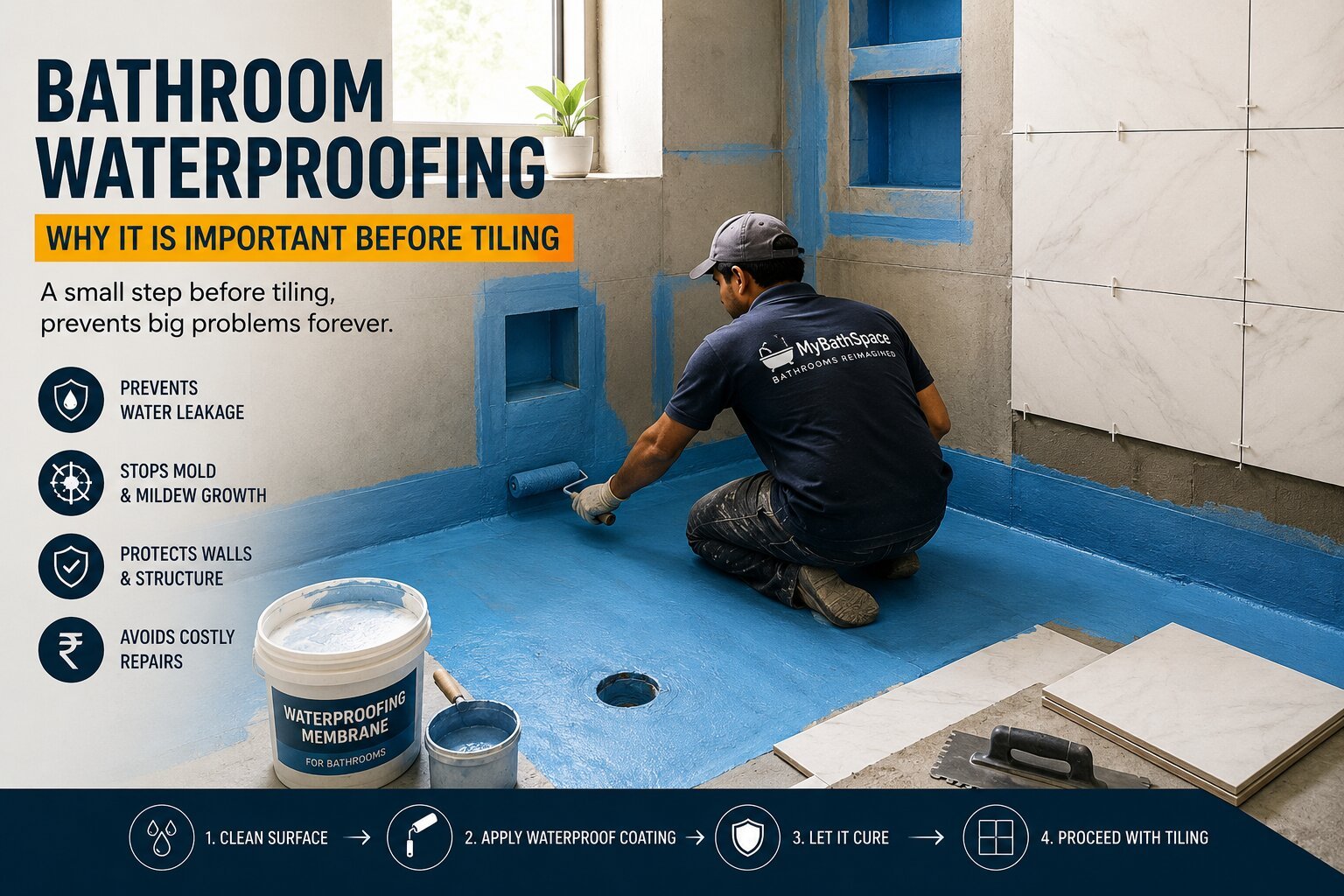
Bathroom waterproofing creates a protective barrier between your home's structure and daily water exposure. A waterproof membrane is applied to floors, walls, corners, and plumbing penetrations before tiles are installed. This hidden layer prevents moisture from penetrating the building materials underneath.
Skipping this step may save money initially, but it often results in expensive repairs later. Water damage can spread behind walls without visible signs until the problem becomes severe.
Proper waterproofing offers several long-term benefits:
Prevents water leakage into walls and floors
Reduces the risk of mould and mildew
Protects structural integrity
Improves tile and grout lifespan
Minimizes future maintenance costs
Increases the durability of your bathroom renovation
Simply put, waterproofing is the foundation of a durable bathroom—not an optional extra.
What Happens If You Skip Waterproofing Before Tiling?
One of the biggest misconceptions during a bathroom renovation is believing that ceramic or porcelain tiles are enough to stop water. While tiles provide a durable finish, they are not waterproof. Water can gradually pass through grout lines, expansion joints, and tiny cracks that naturally develop over time.
Without a waterproof membrane, you may experience:
Damp walls and ceilings
Peeling paint outside the bathroom
Loose or hollow-sounding tiles
Cracked grout
Persistent moisture and unpleasant smells
Mould growth behind walls
Damage to nearby rooms or lower floors
These issues often remain hidden until repairs become expensive. In many renovation projects, the cost of fixing water damage is significantly higher than installing waterproofing correctly during the initial renovation.
Areas That Need Waterproofing During a Bathroom Renovation
A professional bathroom renovation company knows that not every part of the bathroom experiences the same level of moisture. High-risk wet areas require complete waterproof protection before tiling begins.
The most important areas include:
Shower floors and shower walls
Entire bathroom floor
Walls surrounding bathtubs
Areas behind wash basins
Pipe penetrations
Floor-to-wall junctions
Corners and niches
Drainage outlets
Professional installers also inspect the substrate before applying the waterproof membrane, ensuring cracks and uneven surfaces are repaired first. This preparation helps the waterproofing system perform effectively for many years.
Why Homeowners Trust MyBathspace for Bathroom Waterproofing and Renovation
At MyBathspace, we believe that a premium bathroom isn't defined only by beautiful tiles—it starts with quality workmanship behind every surface.
Our bathroom renovation specialists follow industry best practices by completing waterproofing before any tiling work begins. Every renovation is carefully planned to ensure long-term protection against moisture, leaks, and structural damage while delivering a bathroom that looks exceptional and performs reliably for years.
When you choose MyBathspace, you benefit from:
Professional bathroom renovation planning
High-quality waterproofing systems
Skilled installation before tiling
Attention to every corner, joint, and drainage point
Durable workmanship designed for everyday use
Modern bathroom designs built to last
Whether you're renovating a compact bathroom or creating a luxury spa-inspired space, investing in professional waterproofing ensures your renovation remains beautiful and functional for the long term.
Final Thoughts
Bathroom waterproofing is one of the most important investments you can make during a bathroom renovation. Although it remains hidden beneath the tiles, it plays a crucial role in protecting your home from water damage, preserving structural strength, and extending the life of your bathroom.
Choosing a trusted bathroom renovation company that prioritizes waterproofing before tiling gives you confidence that your renovation is built on a solid foundation—not just an attractive finish.
At my Bathspace, we combine expert craftsmanship, quality materials, and proven waterproofing techniques to deliver bathrooms that are stylish, durable, and designed to stand the test of time.
Frequently Asked Questions
1. Why is bathroom waterproofing necessary before tiling?
Bathroom waterproofing creates a protective barrier that prevents water from reaching the walls and flooring beneath the tiles. Without it, moisture can lead to leaks, mould, and structural damage over time.
2. Are bathroom tiles waterproof on their own?
No. Tiles are water-resistant, but grout joints and small gaps allow moisture to penetrate. Waterproofing beneath the tiles is essential for complete protection.
3. Which areas should be waterproofed during a bathroom renovation?
The shower area, bathroom floor, walls around wet zones, pipe penetrations, corners, and drainage points should all be waterproofed before tiling.
4. Can waterproofing reduce future repair costs?
Yes. Proper bathroom waterproofing helps prevent leaks, mould, damaged tiles, and structural deterioration, saving homeowners from expensive repairs in the future.
5. How long does bathroom waterproofing last?
When installed correctly using quality materials and maintained properly, a waterproofing system can protect your bathroom for many years as part of a professionally completed bathroom renovation.
6. Why choose My Bathspace for bathroom renovation and waterproofing?
MyBathspace combines expert bathroom renovation services with professional waterproofing techniques to create durable, leak-resistant, and beautifully finished bathrooms that are built for long-term performance.
All Blogs
-

1-Day Bathroom Renovation Without Construction | QuickLift
Oct 08, 2026
-

Bathroom Design Ideas for Indian Homes: Complete 2026 Guide
Sep 30, 2026
-

Bathroom Renovation Cost in Delhi NCR 2026: Complete Price Guide
Sep 28, 2026
-
Bathroom Renovation in Delhi NCR: Complete Guide to Design, Cost, Process & Timeline
Sep 17, 2026
-

Space-Saving Small Bathroom Ideas for a Modern Makeover
Aug 31, 2026
-

Why My Bath Space Is the Go-To Bathroom Renovation Expert in Delhi
Aug 21, 2026
-
Common Bathroom Renovation Mistakes and How to Avoid Them
Aug 19, 2026
-

Small Bathroom Renovation Mistakes to Avoid: Expert Tips for a Beautiful & Functional Space
Jul 20, 2026
-

Top Bathroom Renovation Trends , Modern Designs and Features
Jul 02, 2026
-

Why Bathroom Renovation is Becoming Popular in Noida: Trends, Benefits, and Modern Design Ideas
Jun 18, 2026
-
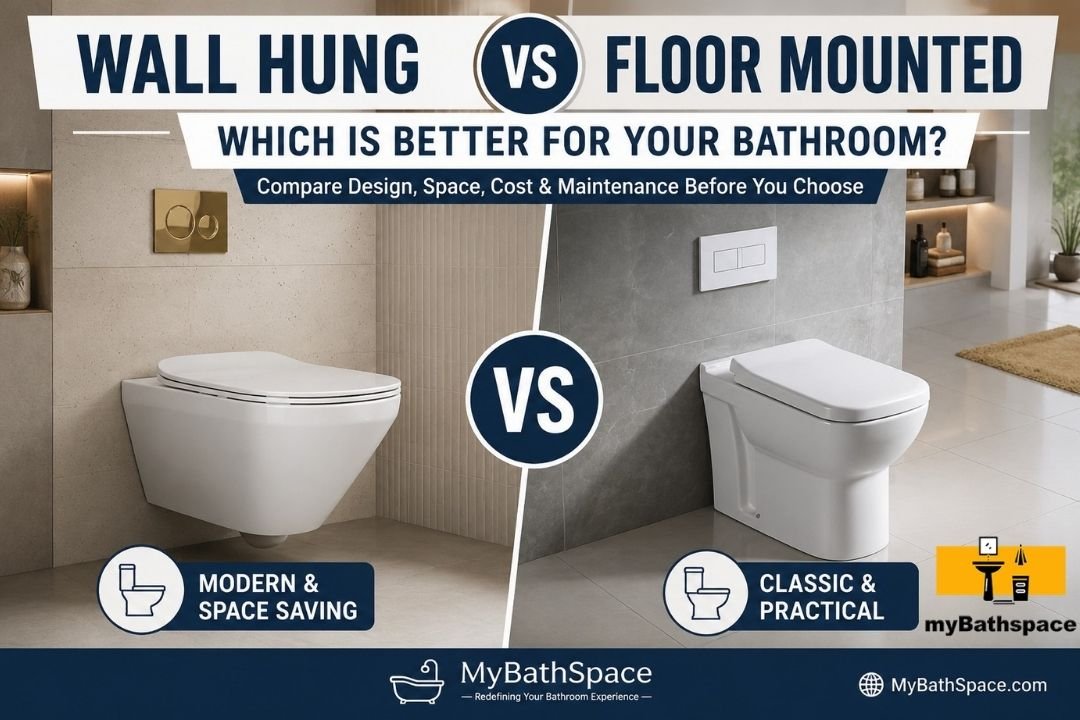
Wall Hung vs Floor Mounted Toilet: Which Is Better for Your Bathroom?
Jun 06, 2026
-
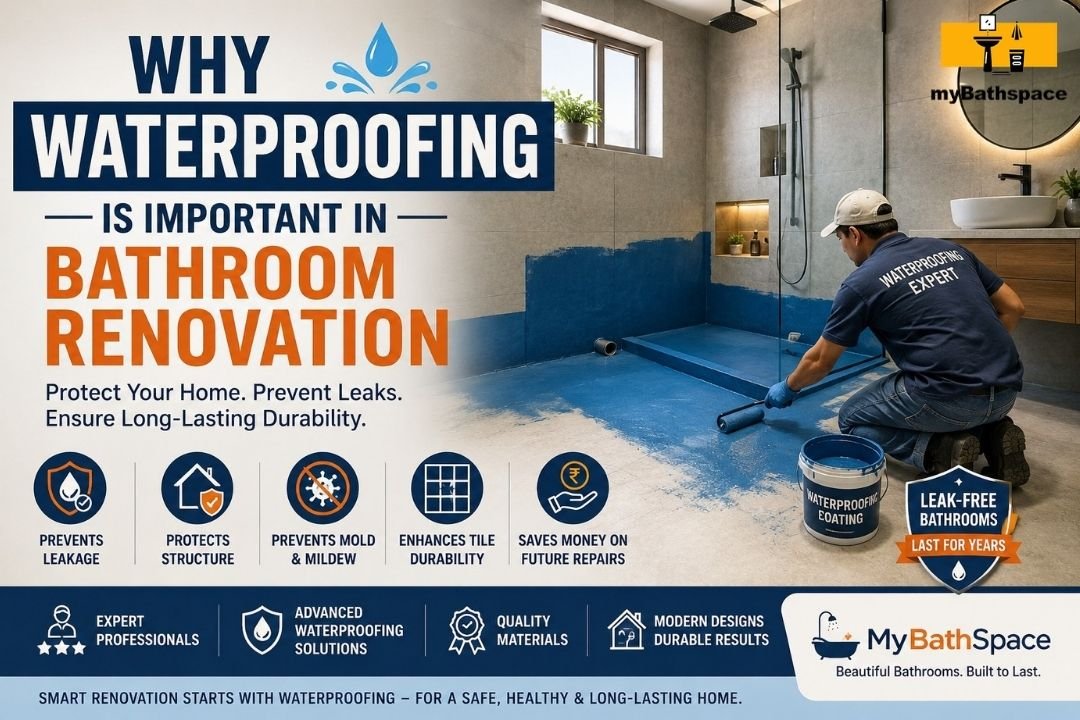
Why Waterproofing Is Important in Bathroom Renovation
May 22, 2026
-

Top Bathroom Storage Ideas for Clutter-Free Living
May 14, 2026
-
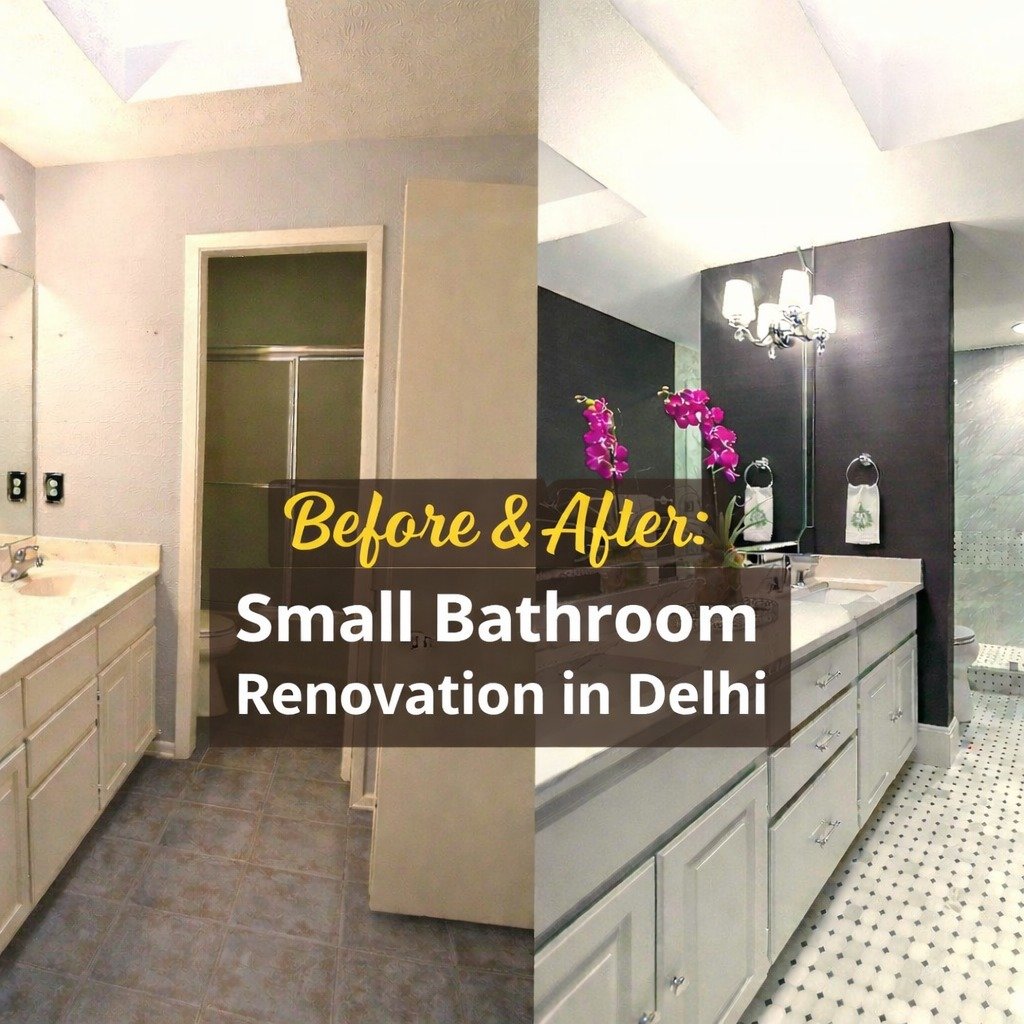
Before & After: Small Bathroom Renovation in Delhi
May 08, 2026
-
Waterproofing Mistakes to Avoid During Bathroom Renovation
Apr 06, 2026
-
Is Modular Bathroom Design Worth It in India?
Mar 30, 2026
-
What Do Designers NEVER Tell You About Bathroom Renovation?
Mar 24, 2026
-
Bathroom Renovation: Is It Worth the Investment?
Mar 21, 2026
-

DIY vs Professional Bathroom Renovation: Which Is Cheaper?
Mar 11, 2026
-
7 Bathroom Renovation Secrets Interior Designers Never Tell You
Feb 25, 2026
-
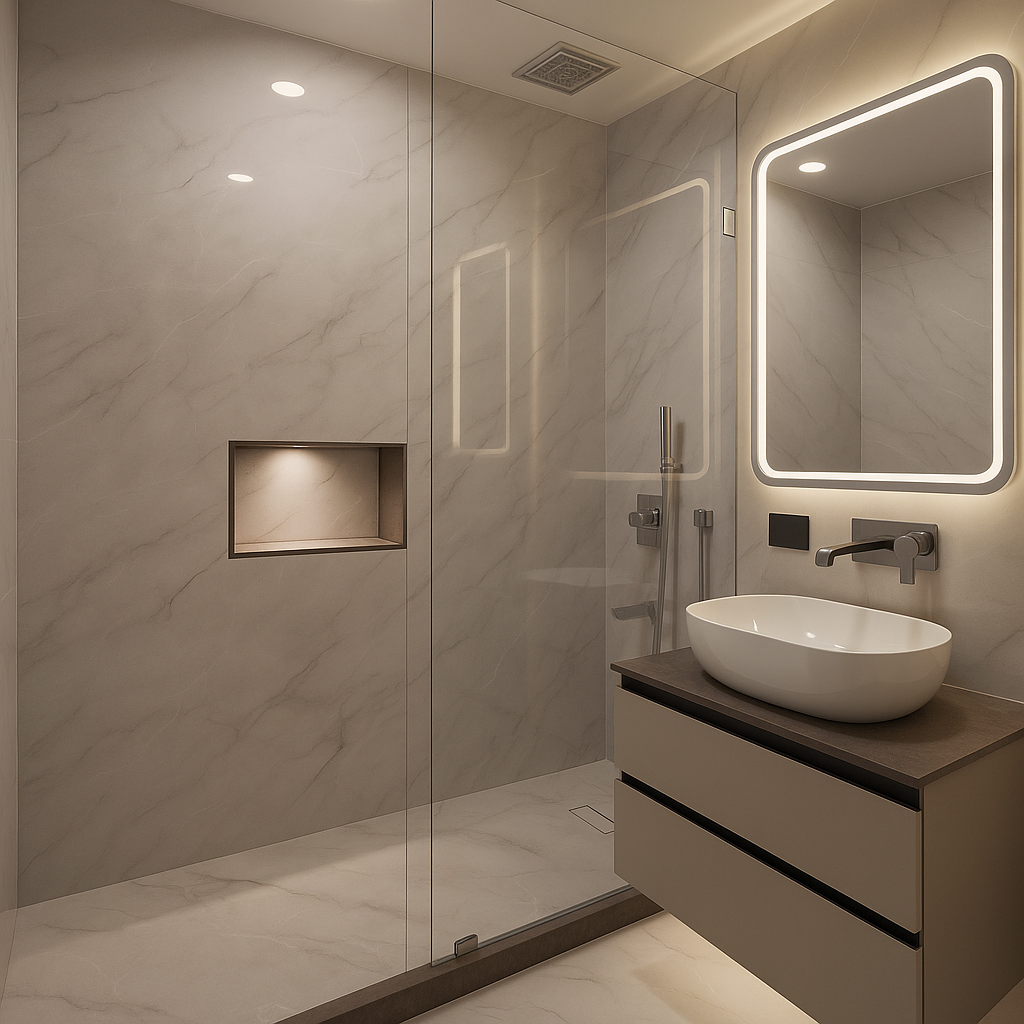
Low Budget Bathroom Design Ideas for Indian Homes
Feb 18, 2026
-
.jpeg)
Top 7 Questions to Ask Before Hiring a Bathroom Renovation Company in Delhi
Feb 13, 2026
-
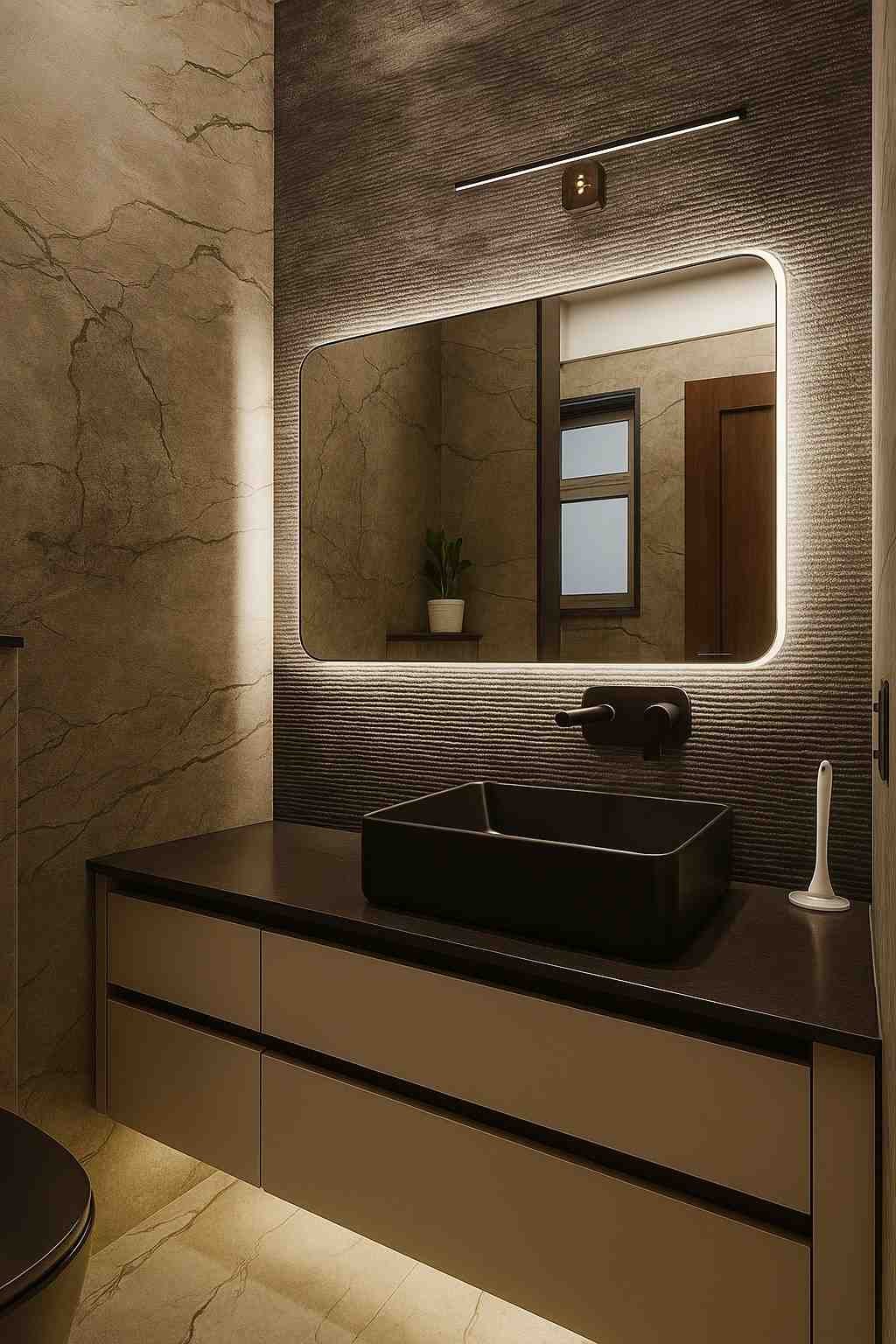
Why Bathroom Renovation Costs Increase & How to Control Them
Feb 06, 2026
-
.jpeg)
Is Professional Bathroom Design Worth the Cost?
Feb 02, 2026
-
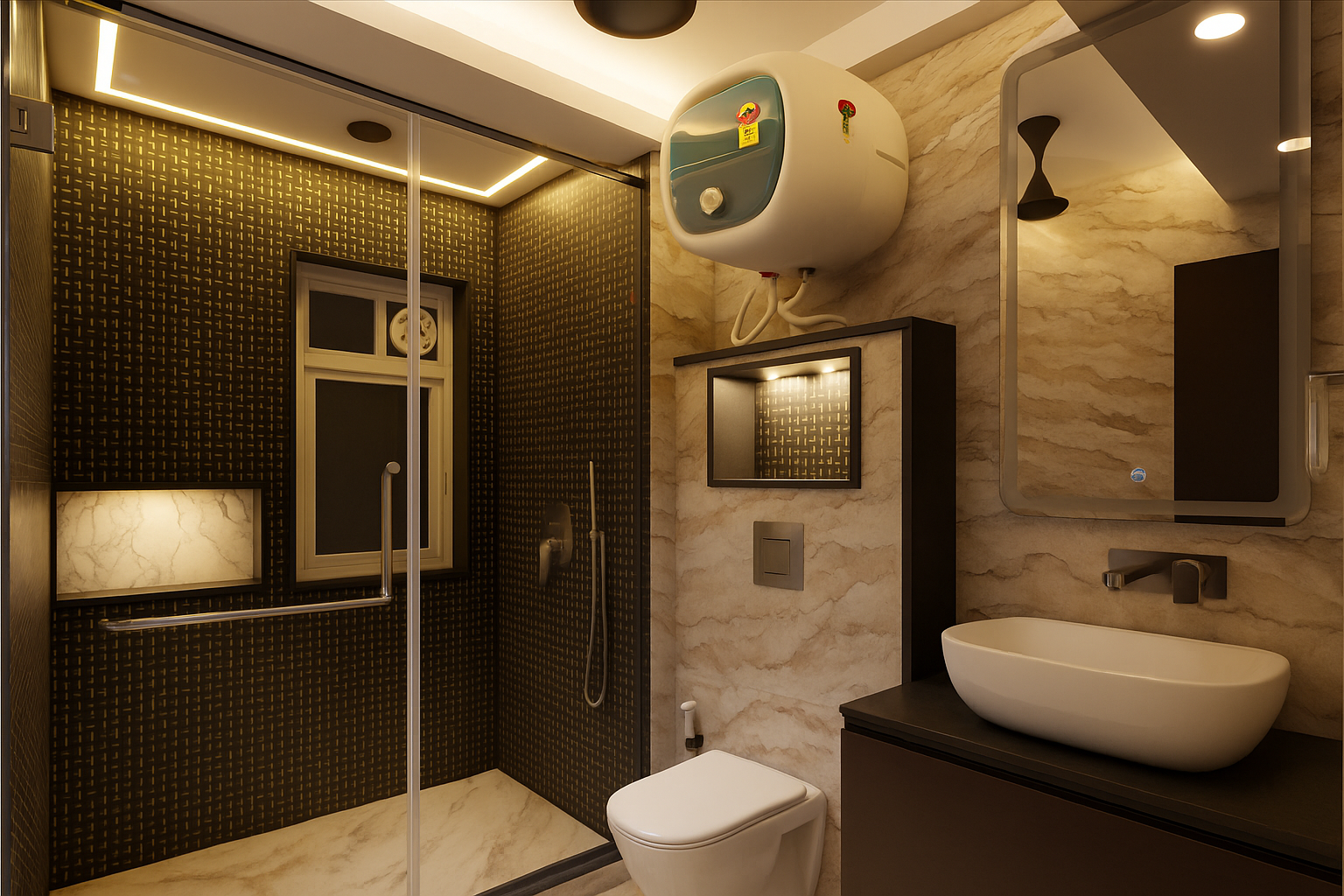
Bathroom Remodeling Red Flags Every Homeowner Should Watch For
Jan 29, 2026
-
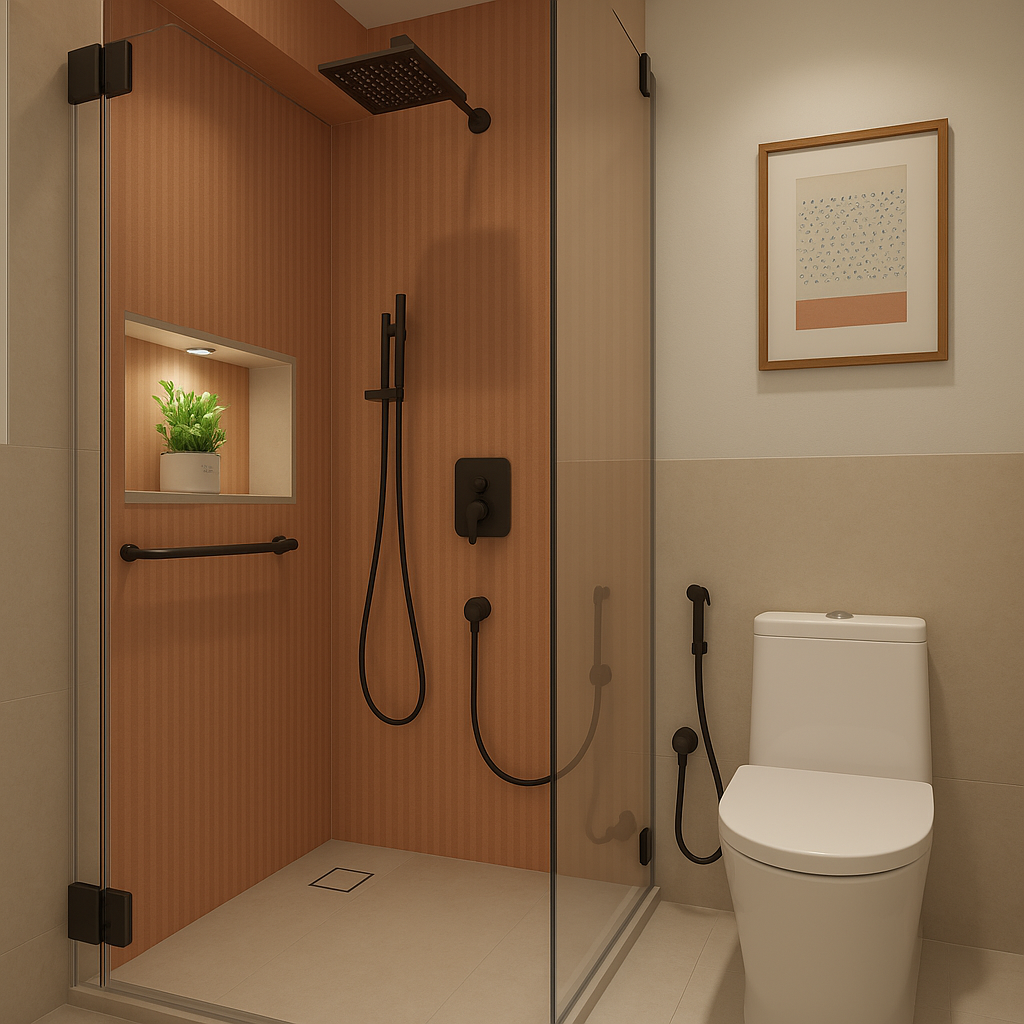
Bathroom Interior Designer in Delhi for Small Spaces: Smart Design Solutions
Jan 22, 2026
-
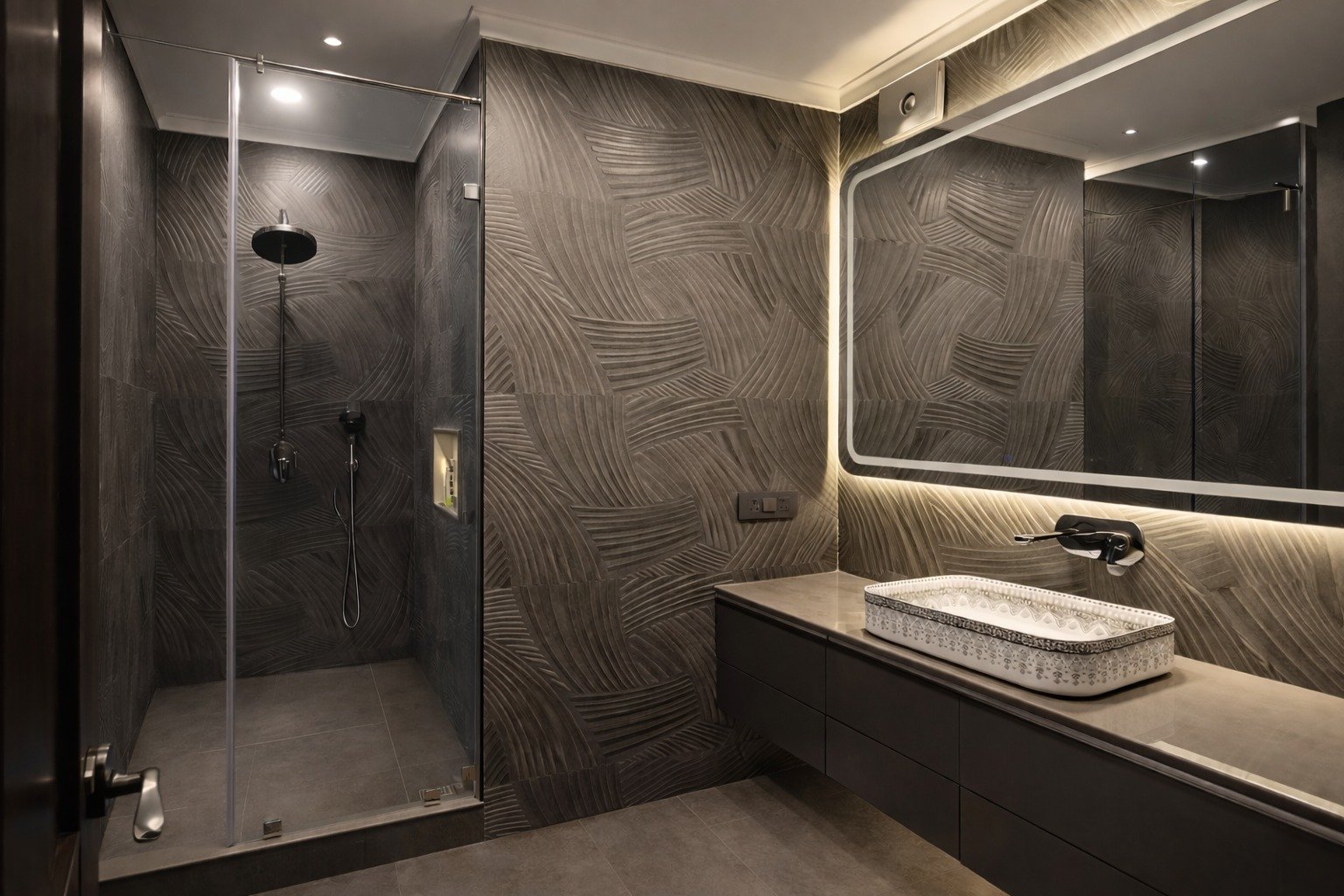
The Future of Relaxation: Top 7 Bathroom Makeover Trends to Watch in 2026
Jan 17, 2026
-
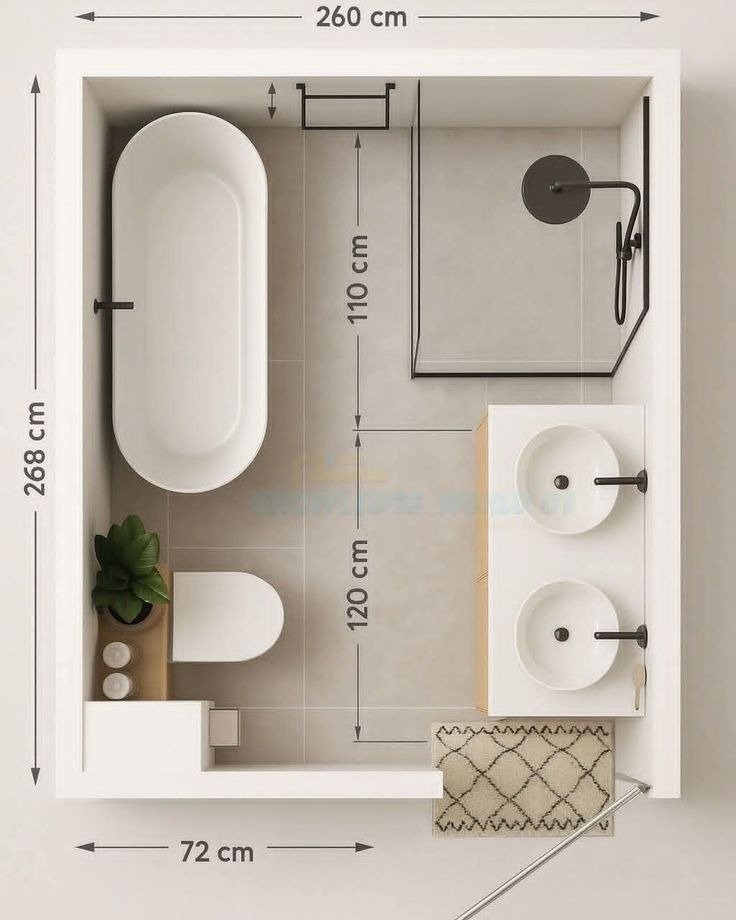
Plan Smart, Spend Right: Bathroom Renovation Cost Calculator by MyBathSpace
Jan 09, 2026
-
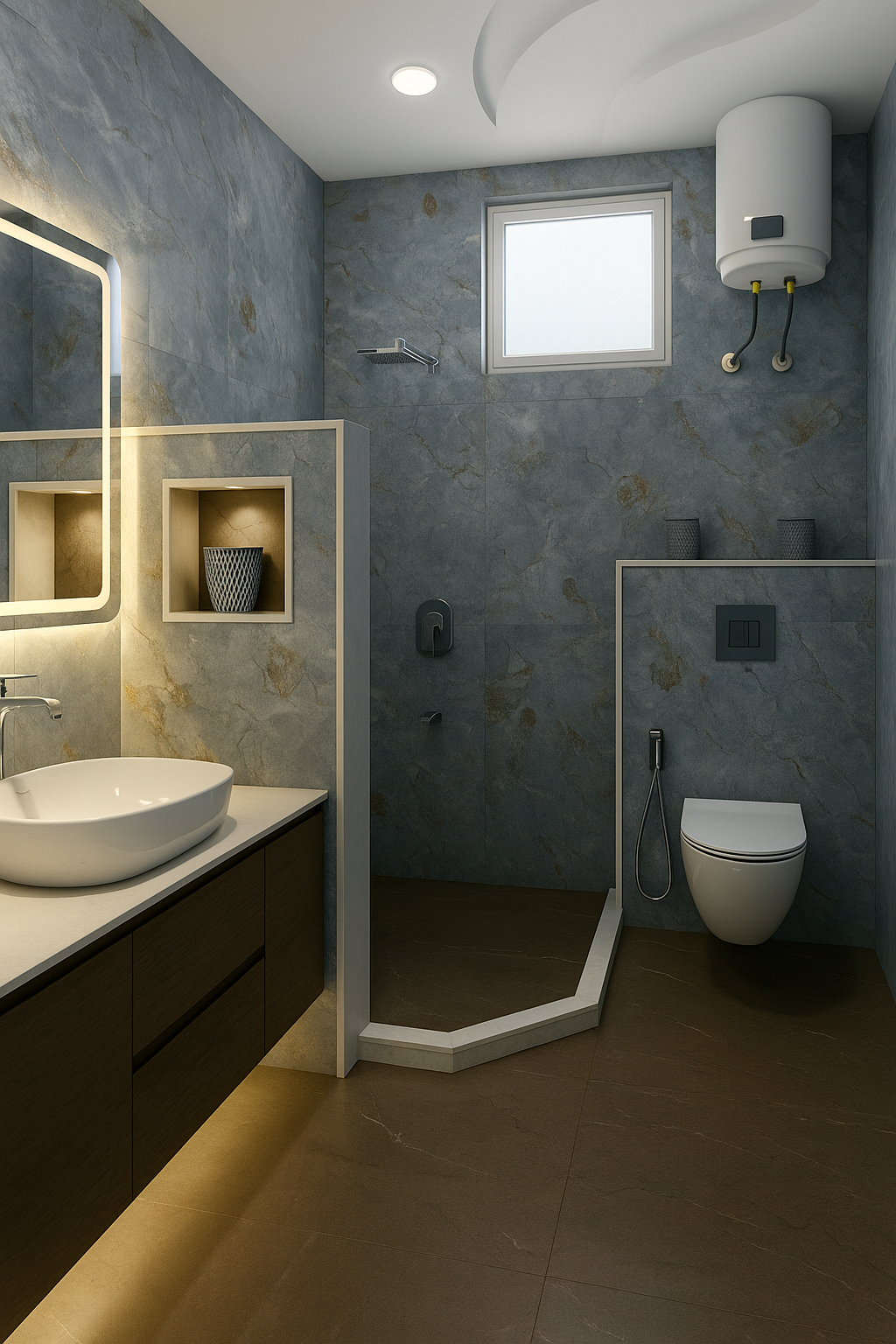
5 Ways to Make a Small Bathroom Look Expensive Without Breaking the Bank
Dec 26, 2025
-
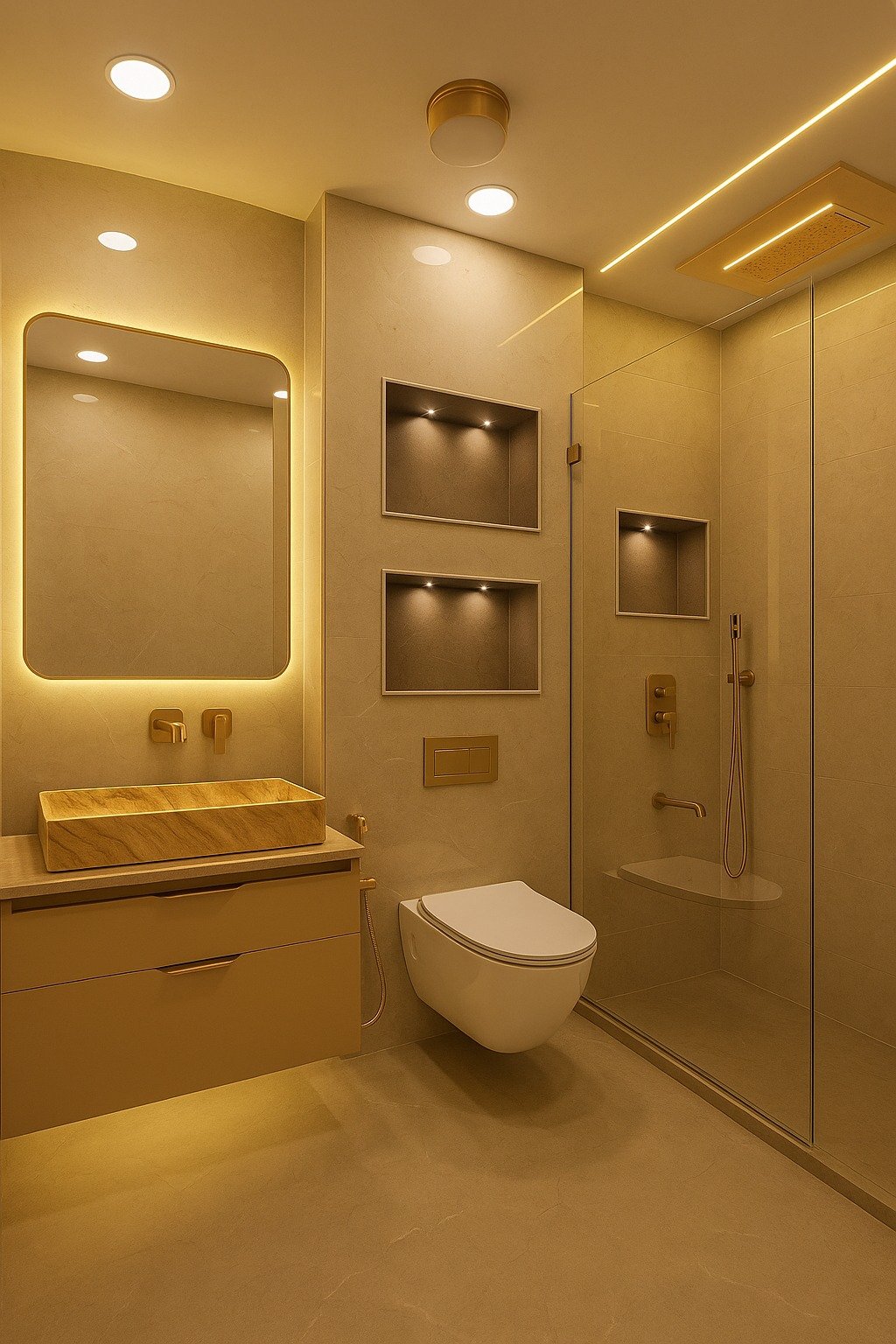
Bathroom Renovation vs New Bathroom Design: What’s Better?
Dec 20, 2025
-
Bathroom Renovation Cost in Delhi NCR (2025 Guide)
Dec 15, 2025
-
.jpeg)
Why My Bath Space Is the Go-To Bathroom Renovation Expert in Noida
Dec 02, 2025
-
.jpg)
Budget-Friendly Bathroom Design Tips to Transform Your Space
Nov 26, 2025
-
Bathroom Tile Designs for Luxury Homes: Premium Inspirations
Nov 20, 2025
-
.jpg)
Bathroom Remodel Service in Delhi NCR | Upgrade Your Bath Space
Nov 14, 2025
-
.jpg)
Best Bathroom Contractor in Delhi | Modern Remodeling Experts
Nov 10, 2025
-

Smart Small Bathroom Renovation Ideas for Modern Homes
Nov 07, 2025
-

Tales of Tiles: Crafting Bathroom Elegance One Square at a Time
Jun 11, 2025
-

Top Bathroom Renovation Services in Delhi: Why myBathspace is the Best Choice
Apr 07, 2025
-

Best bathroom remodeling contractor near me.
Mar 13, 2025
-

Choosing the Right Material for Your Bathroom Remodel
Mar 13, 2025
-

Step By Step: Planning Your Perfect Bathroom Renovation
Mar 12, 2025
-

Top Bathroom Renovation Trends in 2025: Modern Designs And Features
Mar 12, 2025
-

Small Bathroom Remodel Ideas : Maximizing Space And Style
Mar 12, 2025
-

Transform Your Home with a Bathroom Renovation
Mar 12, 2025
Recent Blogs
-
1-Day Bathroom Renovation Without Construction | QuickLift
-
Bathroom Design Ideas for Indian Homes: Complete 2026 Guide
-
Bathroom Renovation Cost in Delhi NCR 2026: Complete Price Guide
-
Bathroom Renovation in Delhi NCR: Complete Guide to Design, Cost, Process & Timeline
-
Space-Saving Small Bathroom Ideas for a Modern Makeover
-
Why My Bath Space Is the Go-To Bathroom Renovation Expert in Delhi
-
Common Bathroom Renovation Mistakes and How to Avoid Them
-
Small Bathroom Renovation Mistakes to Avoid: Expert Tips for a Beautiful & Functional Space
-
Top Bathroom Renovation Trends , Modern Designs and Features
-
Why Bathroom Renovation is Becoming Popular in Noida: Trends, Benefits, and Modern Design Ideas
-
Wall Hung vs Floor Mounted Toilet: Which Is Better for Your Bathroom?
-
Why Waterproofing Is Important in Bathroom Renovation
-
Top Bathroom Storage Ideas for Clutter-Free Living
-
Before & After: Small Bathroom Renovation in Delhi
-
Waterproofing Mistakes to Avoid During Bathroom Renovation
-
Is Modular Bathroom Design Worth It in India?
-
What Do Designers NEVER Tell You About Bathroom Renovation?
-
Bathroom Renovation: Is It Worth the Investment?
-
DIY vs Professional Bathroom Renovation: Which Is Cheaper?
-
7 Bathroom Renovation Secrets Interior Designers Never Tell You
-
Low Budget Bathroom Design Ideas for Indian Homes
-
Top 7 Questions to Ask Before Hiring a Bathroom Renovation Company in Delhi
-
Why Bathroom Renovation Costs Increase & How to Control Them
-
Is Professional Bathroom Design Worth the Cost?
-
Bathroom Remodeling Red Flags Every Homeowner Should Watch For
-
Bathroom Interior Designer in Delhi for Small Spaces: Smart Design Solutions
-
The Future of Relaxation: Top 7 Bathroom Makeover Trends to Watch in 2026
-
Plan Smart, Spend Right: Bathroom Renovation Cost Calculator by MyBathSpace
-
5 Ways to Make a Small Bathroom Look Expensive Without Breaking the Bank
-
Bathroom Renovation vs New Bathroom Design: What’s Better?
-
Bathroom Renovation Cost in Delhi NCR (2025 Guide)
-
Why My Bath Space Is the Go-To Bathroom Renovation Expert in Noida
-
Budget-Friendly Bathroom Design Tips to Transform Your Space
-
Bathroom Tile Designs for Luxury Homes: Premium Inspirations
-
Bathroom Remodel Service in Delhi NCR | Upgrade Your Bath Space
-
Best Bathroom Contractor in Delhi | Modern Remodeling Experts
-
Smart Small Bathroom Renovation Ideas for Modern Homes
-
Tales of Tiles: Crafting Bathroom Elegance One Square at a Time
-
Top Bathroom Renovation Services in Delhi: Why myBathspace is the Best Choice
-
Best bathroom remodeling contractor near me.
-
Choosing the Right Material for Your Bathroom Remodel
-
Step By Step: Planning Your Perfect Bathroom Renovation
-
Top Bathroom Renovation Trends in 2025: Modern Designs And Features
-
Small Bathroom Remodel Ideas : Maximizing Space And Style
-
Transform Your Home with a Bathroom Renovation