EXPERT ADVISE
Common Bathroom Renovation Mistakes and How to Avoid Them
August 19, 2026
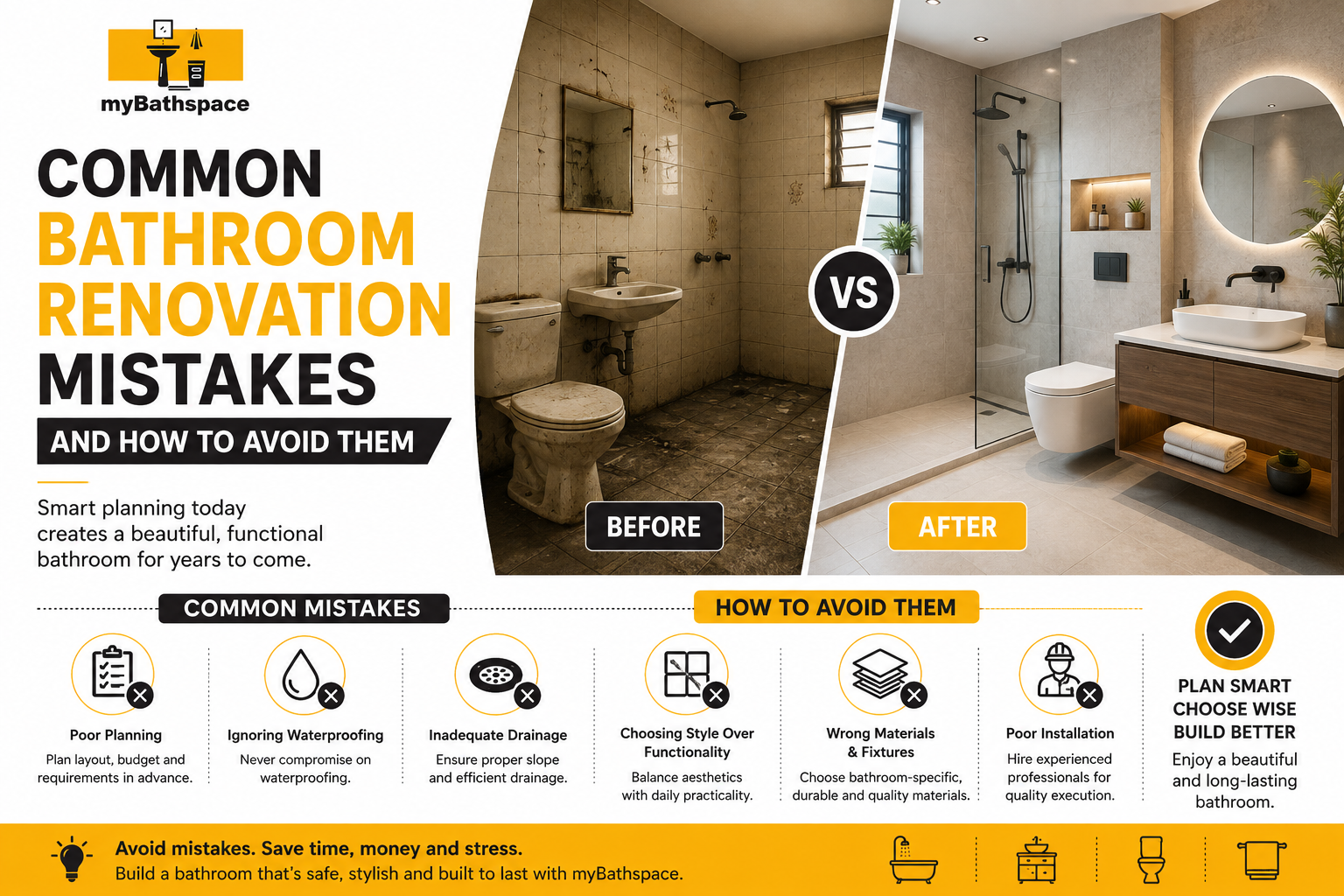
 A bathroom renovation can completely transform the comfort, appearance, and functionality of your home. Whether you are updating a compact bathroom or planning a complete bathroom makeover, the right design and professional execution can make a significant difference.
However, bathroom renovation projects can also become expensive and stressful when important details are overlooked. Poor planning, unsuitable materials, inadequate waterproofing, or incorrect installation can lead to problems that may not appear until months later.
Understanding the most common bathroom renovation mistakes before starting your project can help you avoid unnecessary costs and create a bathroom that is practical, durable, and visually appealing.
1. Starting a Bathroom Renovation Without Proper Planning
One of the biggest mistakes homeowners make is beginning renovation work without a clear plan. Choosing tiles, fixtures, colours, and finishes as the project progresses can result in poor coordination, unexpected expenses, and delays.
Before work begins, consider the complete layout of your bathroom. Think about where the shower, toilet, vanity, storage, lighting, and other fixtures will be positioned. Plumbing and electrical requirements should also be considered before walls or flooring are changed.
It is equally important to establish a realistic budget. A good budget should include materials, labour, plumbing, electrical work, waterproofing, fixtures, and a contingency amount for unexpected issues.
How to avoid it: Create a detailed renovation plan before construction begins. Work with an experienced bathroom renovation company that can assess your existing space, understand your requirements, and recommend practical solutions.
2. Ignoring Waterproofing and Drainage
Waterproofing is one of the most important parts of any bathroom renovation, yet it is sometimes treated as an optional detail. In reality, inadequate waterproofing can allow moisture to penetrate walls and floors, potentially causing mould, dampness, damaged surfaces, and costly repairs.
Drainage is equally important. Even a beautifully designed bathroom can become problematic if water does not flow efficiently toward the drain.
Waterproofing should be properly planned for wet areas such as shower floors and walls, while drainage should be checked before tiles and other finishes are installed.
How to avoid it: Never compromise on waterproofing or drainage. Use suitable waterproofing systems and have the work completed correctly before tiling or installing final finishes.
3. Choosing Style Over Functionality
A visually attractive bathroom is appealing, but design should never come at the expense of functionality. A large vanity may look impressive but leave insufficient movement space. Similarly, beautiful tiles can become inconvenient if they are difficult to clean or too slippery when wet.
Bathroom design should reflect how the space will actually be used. Storage, accessibility, ventilation, lighting, cleaning, and movement should all be considered.
For smaller bathrooms, smart space planning can make the room feel significantly more comfortable without increasing its size.
How to avoid it: Balance aesthetics with practicality. Choose bathroom fixtures, finishes, storage solutions, and layouts that work well with your daily routine.
4. Choosing the Wrong Materials and Fixtures
Not every material is suitable for a bathroom environment. Bathrooms experience regular exposure to moisture, humidity, cleaning products, and temperature changes, so materials need to be selected accordingly.
Choosing products solely because they are inexpensive can sometimes result in higher maintenance or replacement costs later. Similarly, selecting oversized fixtures for a small bathroom can make the space feel cramped.
Tiles, flooring, cabinetry, countertops, taps, shower fittings, and sanitaryware should be selected based on durability, maintenance requirements, available space, and overall design.
How to avoid it: Choose bathroom-specific, moisture-resistant materials and quality fixtures that suit the size and conditions of your bathroom. Consider long-term performance rather than focusing only on the initial price.
Making Your Bathroom Renovation More Successful
Avoiding common mistakes is easier when every stage of the project is considered before work starts. A successful bathroom renovation combines thoughtful planning, appropriate materials, correct installation, effective waterproofing, and a design that suits your lifestyle.
Professional guidance can also help identify issues that may not be obvious to homeowners, particularly with plumbing, drainage, ventilation, electrical work, and structural considerations.
Whether you are planning a small bathroom update or a complete bathroom renovation, investing time in preparation can help reduce unexpected problems and create a space that looks good and performs well for years.
A professional bathroom renovation company can help take your project from the initial design and material selection through installation and finishing, ensuring that important details are not overlooked.
For homeowners looking for reliable and well-planned bathroom renovation solutions, MyBathSpace can help turn your ideas into a practical and stylish bathroom. From layout planning and material selection to installation and finishing, professional guidance can make the renovation process smoother and help ensure that important details are properly managed. With the right approach, MyBathSpace aims to create bathroom spaces that combine functionality, durability, and modern design.
Frequently Asked Questions About Bathroom Renovation
What is the most common bathroom renovation mistake?
Poor planning is one of the most common mistakes. Failing to plan the layout, plumbing, waterproofing, storage, lighting, and budget before construction can cause unnecessary delays and additional costs.
Is waterproofing necessary before bathroom tiling?
Yes. Proper waterproofing is essential in wet areas because it helps protect the underlying structure from moisture damage. Tiling alone should not be considered a replacement for a suitable waterproofing system.
How can I make a small bathroom feel bigger?
Use an efficient layout, appropriate-sized fixtures, good lighting, smart storage, and visually consistent finishes. Wall-mounted fixtures and space-saving designs can also help create a more open feel.
How much should I budget for a bathroom renovation?
The cost depends on factors such as bathroom size, layout changes, plumbing requirements, materials, fixtures, labour, and the level of finishes. A professional assessment can provide a more realistic project estimate.
Should I hire a professional bathroom renovation company?
For a complete renovation, professional assistance can be valuable because bathroom projects often involve plumbing, electrical work, waterproofing, tiling, and installation. Experienced professionals can help coordinate these elements and reduce the risk of costly mistakes.
What should I consider before starting a bathroom renovation?
Start with your budget, layout, storage needs, plumbing, ventilation, lighting, waterproofing, materials, fixtures, and overall design. Planning these elements in advance can make the renovation more efficient and predictable.
A well-planned bathroom renovation is not simply about making a bathroom look new. It is about creating a comfortable, functional, durable, and easy-to-maintain space. By avoiding common renovation mistakes and making informed decisions from the beginning, homeowners can achieve a bathroom that delivers both style and long-term value.
All Blogs
-

Bathroom Design Ideas for Indian Homes: Complete 2026 Guide
Sep 30, 2026
-

Bathroom Renovation Cost in Delhi NCR 2026: Complete Price Guide
Sep 28, 2026
-
Bathroom Renovation in Delhi NCR: Complete Guide to Design, Cost, Process & Timeline
Sep 17, 2026
-
Space-Saving Small Bathroom Ideas for a Modern Makeover
Aug 31, 2026
-
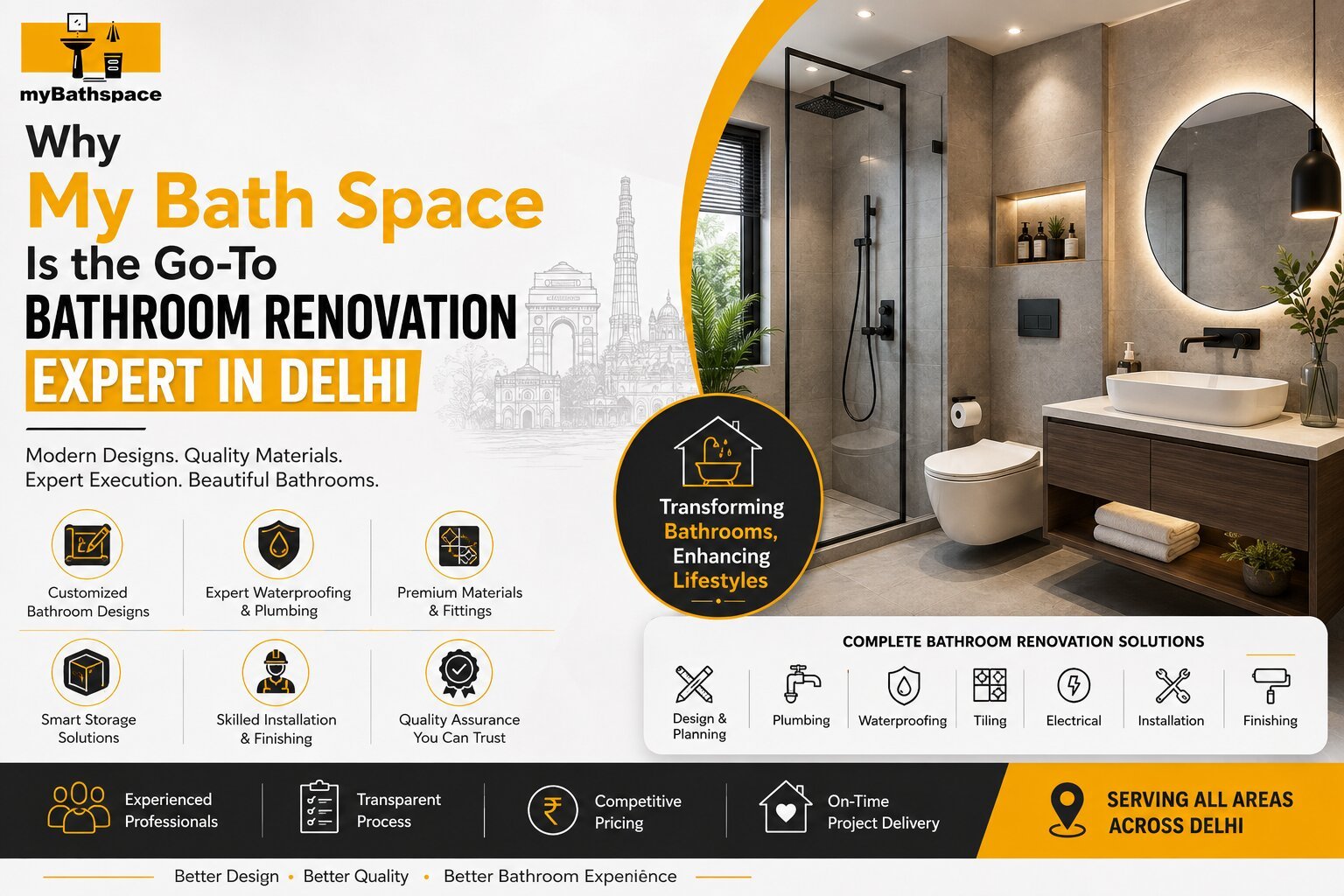
Why My Bath Space Is the Go-To Bathroom Renovation Expert in Delhi
Aug 21, 2026
-

Small Bathroom Renovation Mistakes to Avoid: Expert Tips for a Beautiful & Functional Space
Jul 20, 2026
-
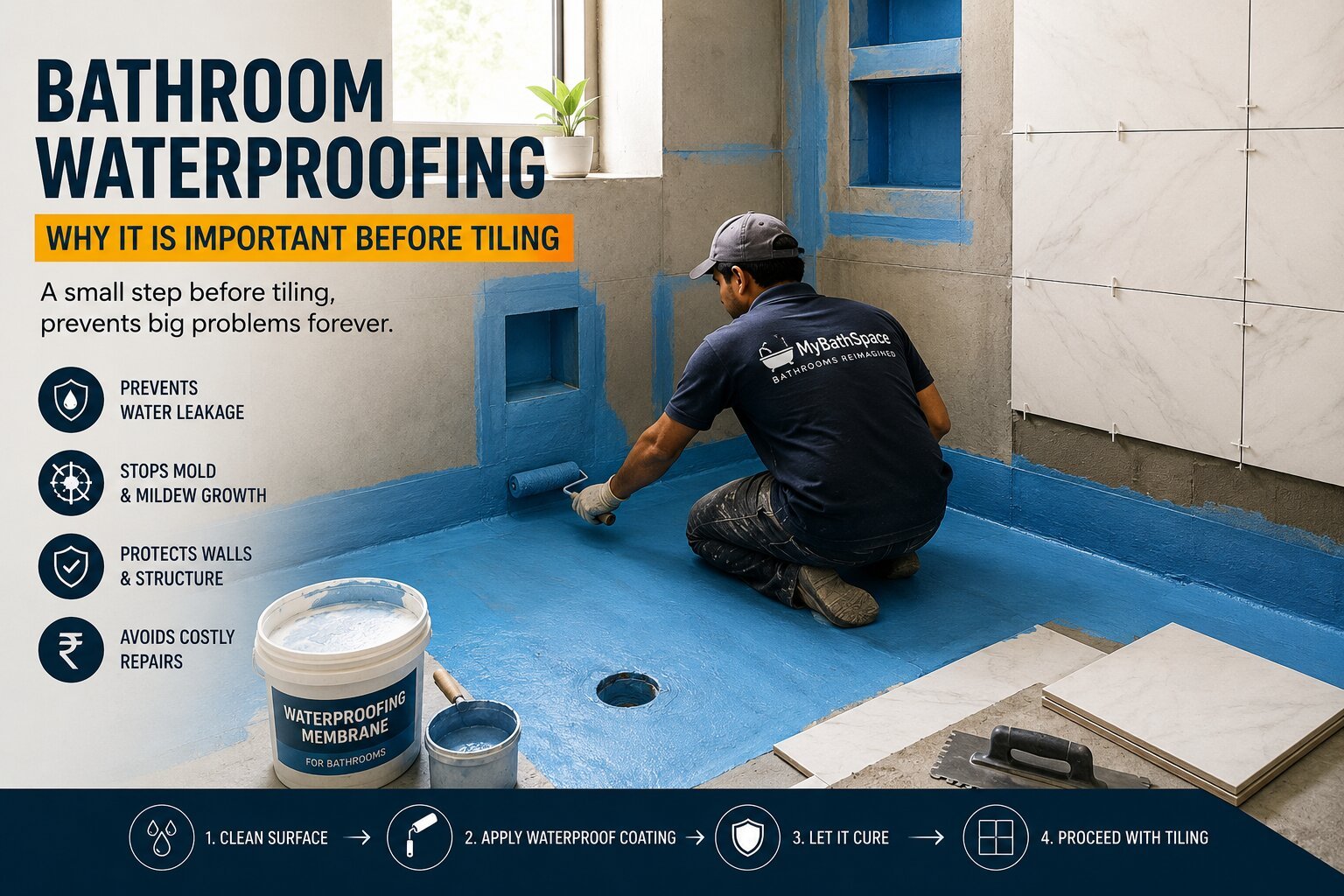
Bathroom Waterproofing: Why It Is Important Before Tiling
Jul 10, 2026
-

Top Bathroom Renovation Trends , Modern Designs and Features
Jul 02, 2026
-

Why Bathroom Renovation is Becoming Popular in Noida: Trends, Benefits, and Modern Design Ideas
Jun 18, 2026
-
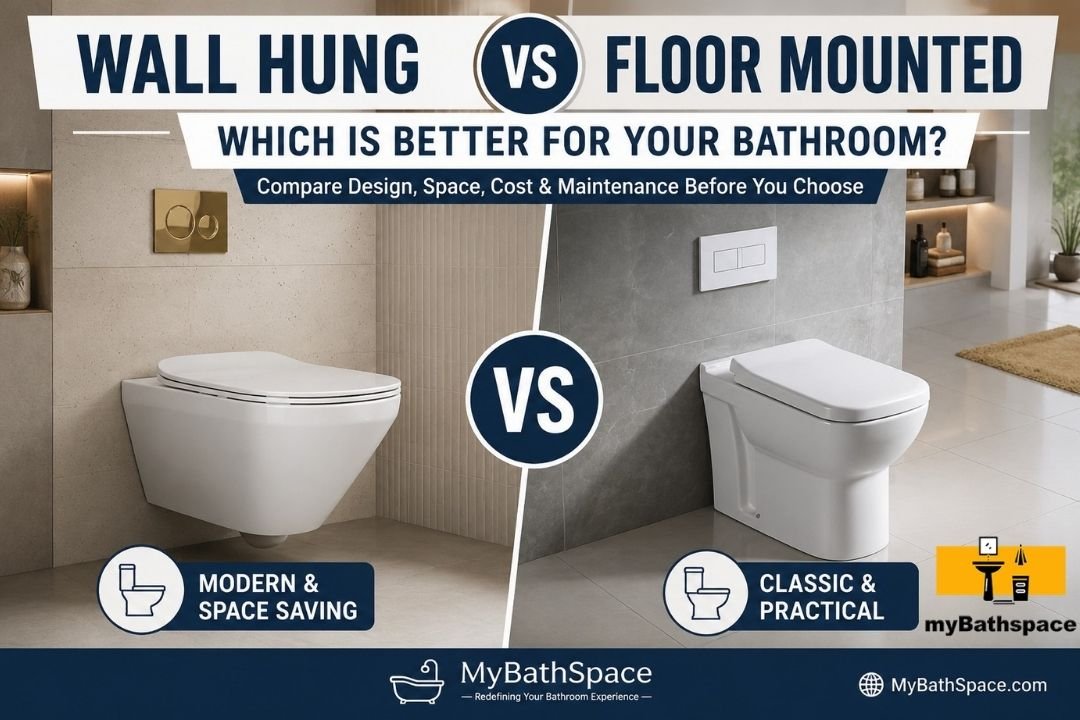
Wall Hung vs Floor Mounted Toilet: Which Is Better for Your Bathroom?
Jun 06, 2026
-
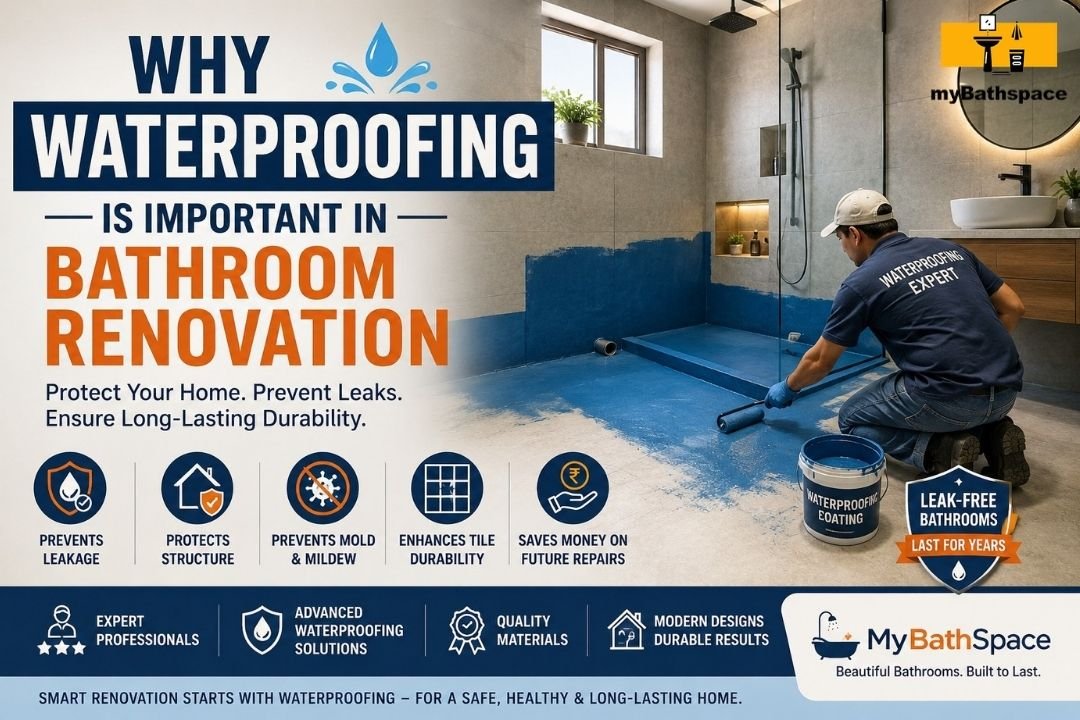
Why Waterproofing Is Important in Bathroom Renovation
May 22, 2026
-

Top Bathroom Storage Ideas for Clutter-Free Living
May 14, 2026
-
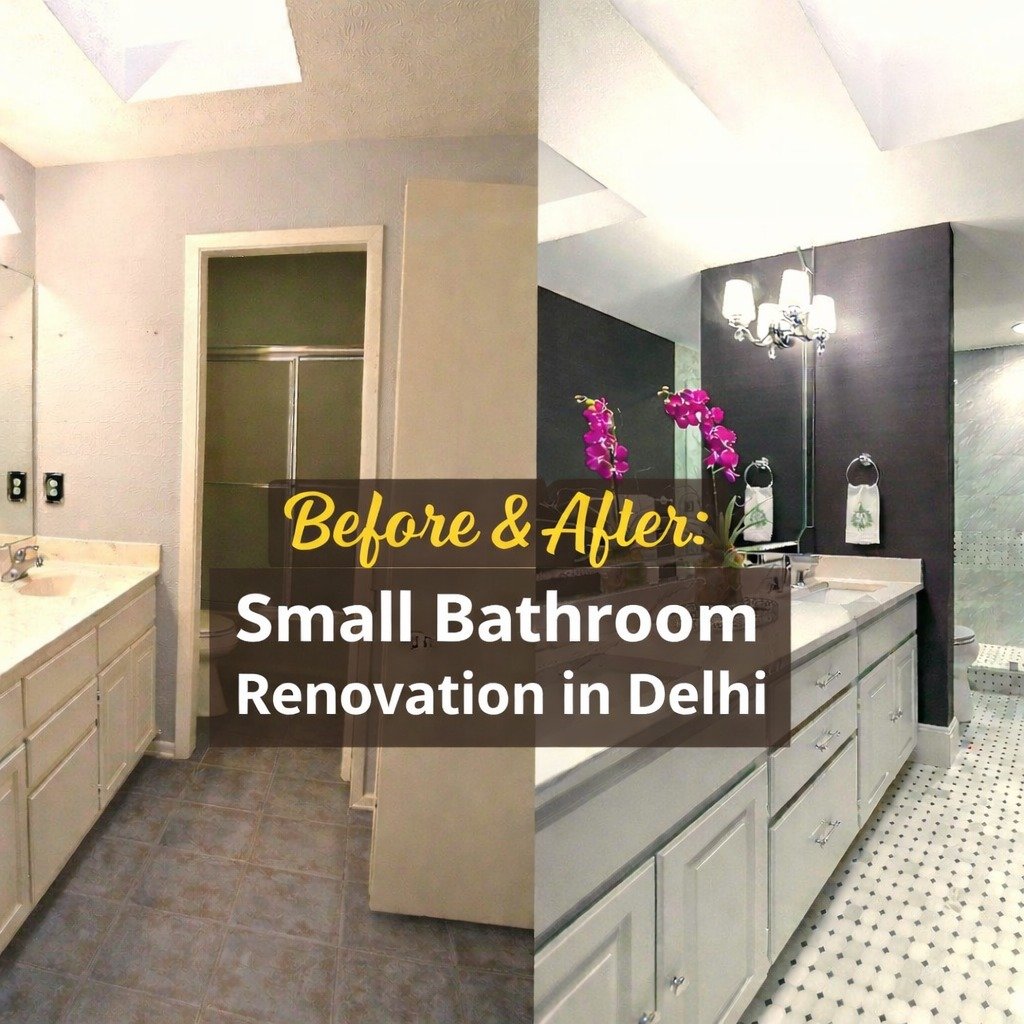
Before & After: Small Bathroom Renovation in Delhi
May 08, 2026
-
Waterproofing Mistakes to Avoid During Bathroom Renovation
Apr 06, 2026
-
Is Modular Bathroom Design Worth It in India?
Mar 30, 2026
-
What Do Designers NEVER Tell You About Bathroom Renovation?
Mar 24, 2026
-
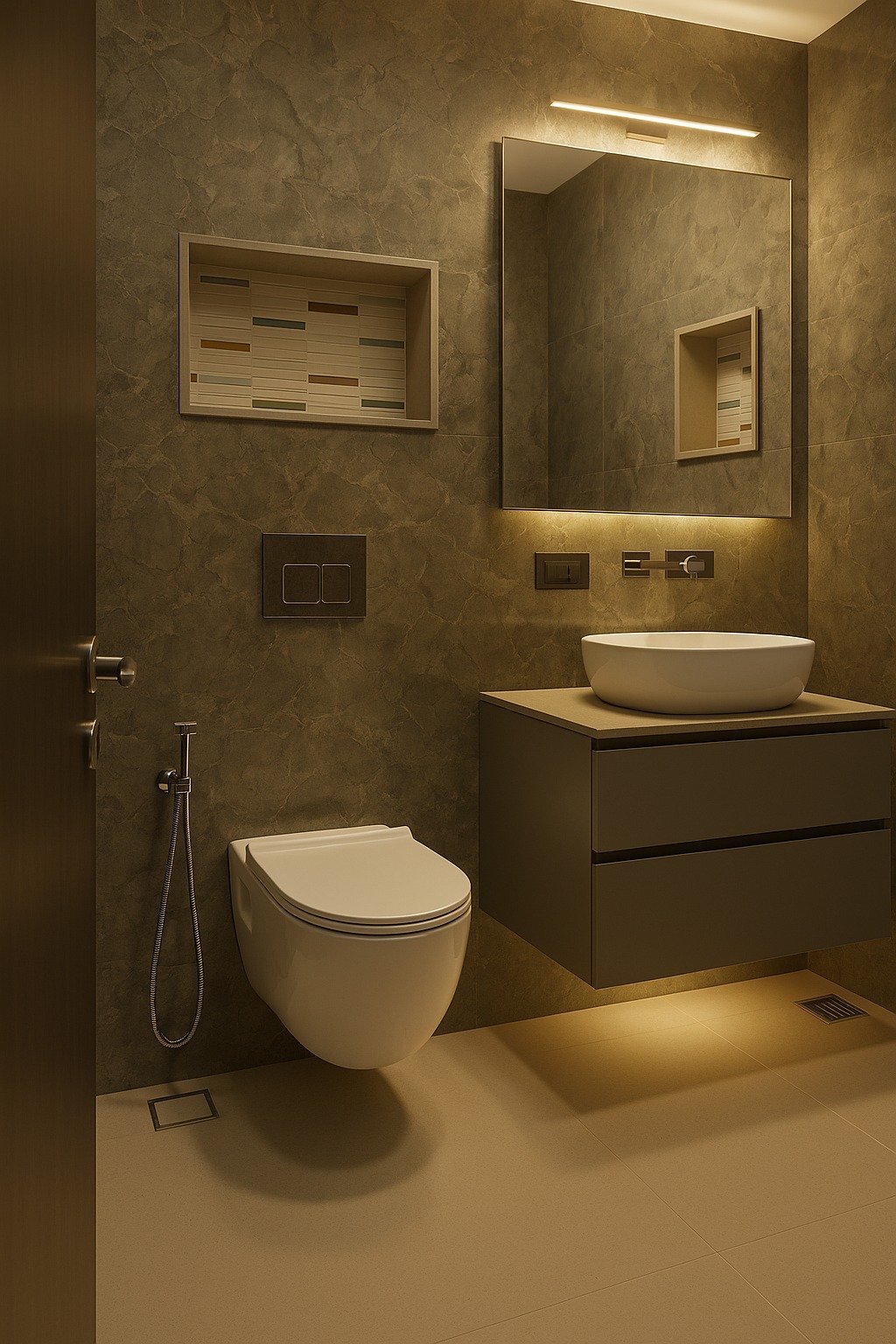
Bathroom Renovation: Is It Worth the Investment?
Mar 21, 2026
-

DIY vs Professional Bathroom Renovation: Which Is Cheaper?
Mar 11, 2026
-
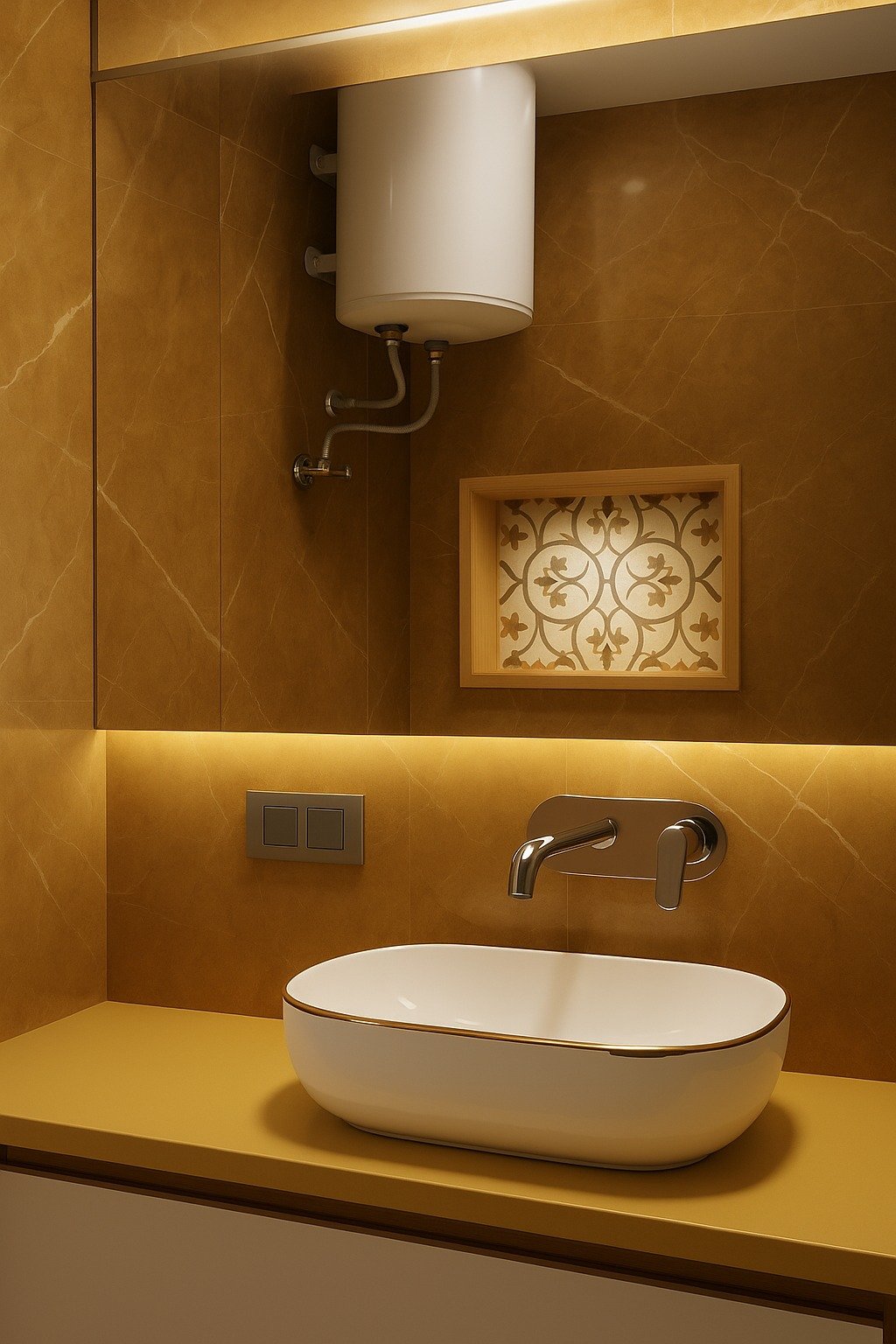
7 Bathroom Renovation Secrets Interior Designers Never Tell You
Feb 25, 2026
-
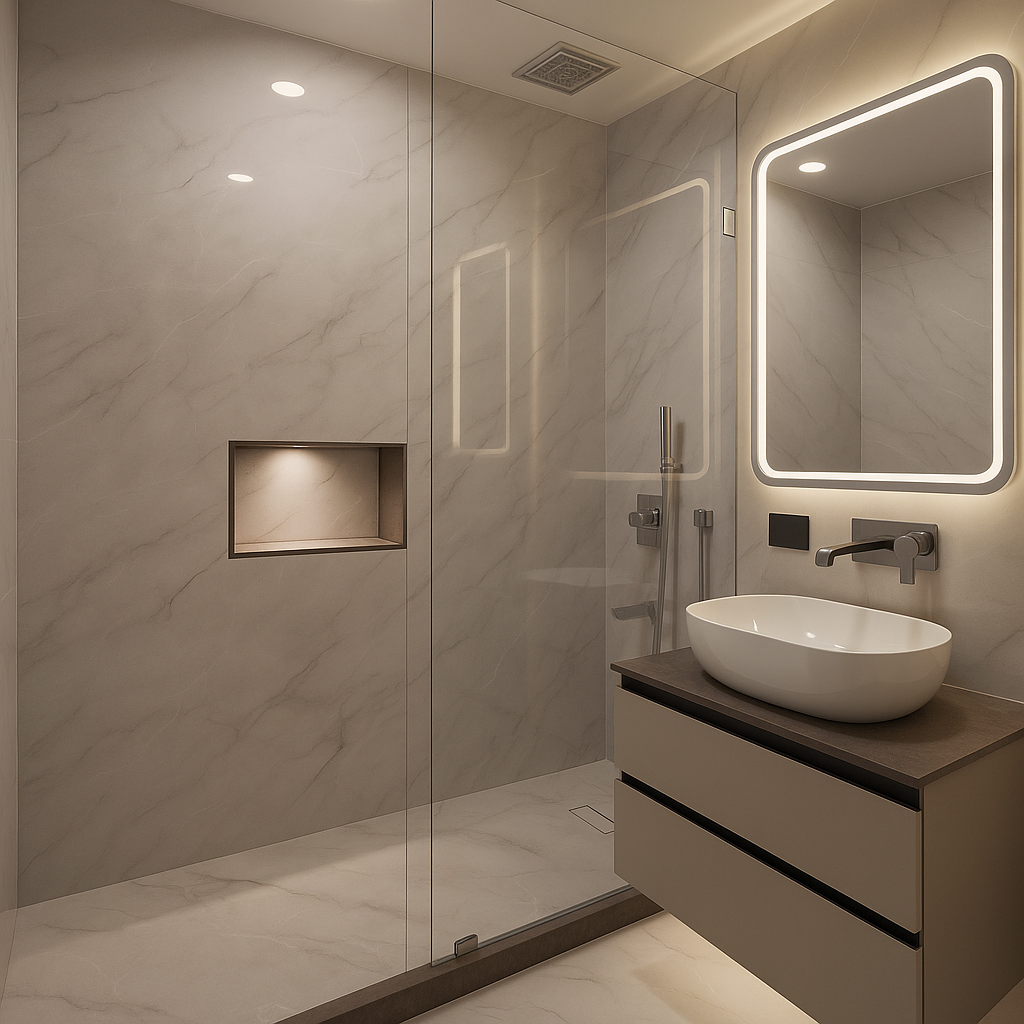
Low Budget Bathroom Design Ideas for Indian Homes
Feb 18, 2026
-
.jpeg)
Top 7 Questions to Ask Before Hiring a Bathroom Renovation Company in Delhi
Feb 13, 2026
-
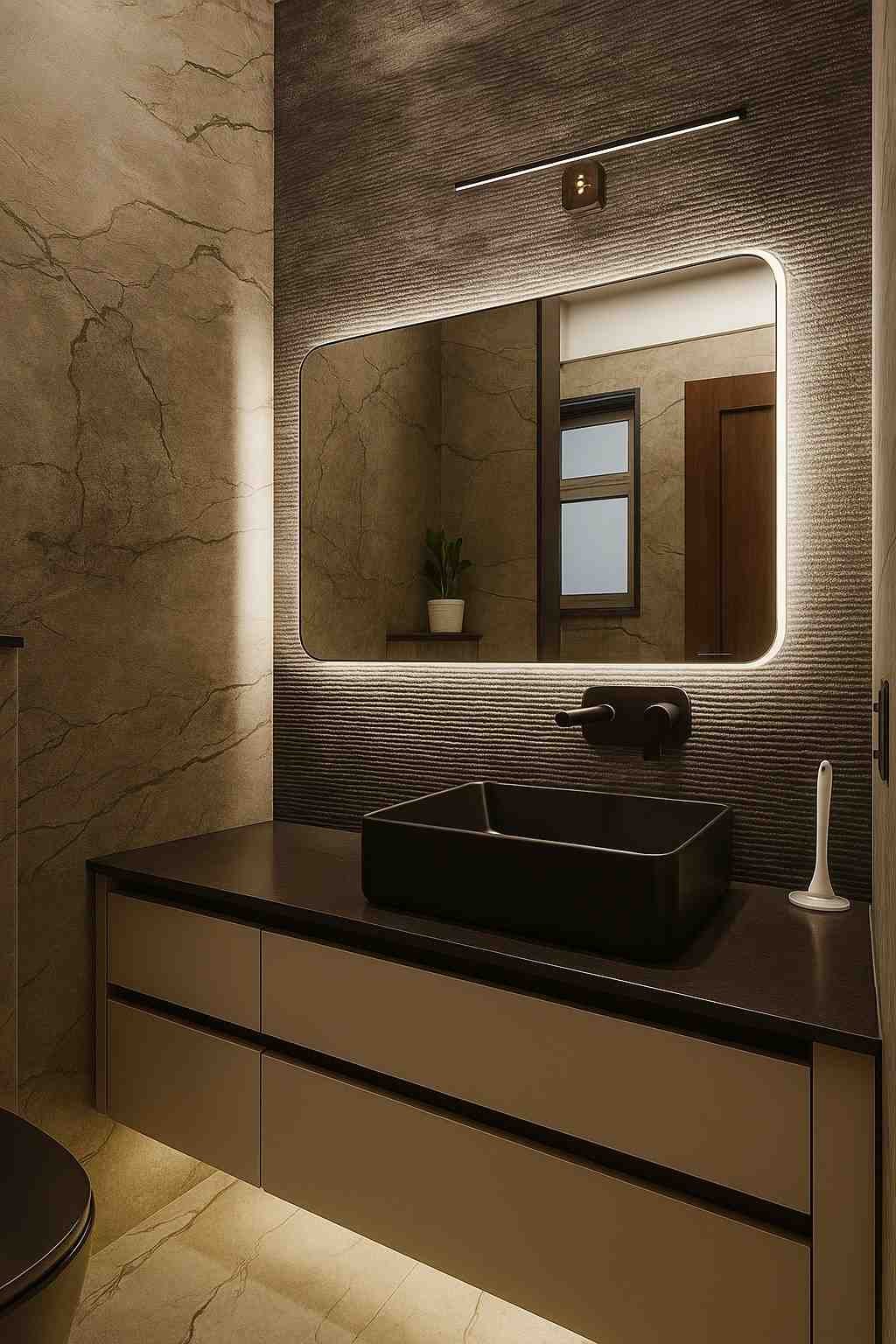
Why Bathroom Renovation Costs Increase & How to Control Them
Feb 06, 2026
-
.jpeg)
Is Professional Bathroom Design Worth the Cost?
Feb 02, 2026
-
Bathroom Remodeling Red Flags Every Homeowner Should Watch For
Jan 29, 2026
-
Bathroom Interior Designer in Delhi for Small Spaces: Smart Design Solutions
Jan 22, 2026
-
The Future of Relaxation: Top 7 Bathroom Makeover Trends to Watch in 2026
Jan 17, 2026
-
Plan Smart, Spend Right: Bathroom Renovation Cost Calculator by MyBathSpace
Jan 09, 2026
-
5 Ways to Make a Small Bathroom Look Expensive Without Breaking the Bank
Dec 26, 2025
-
Bathroom Renovation vs New Bathroom Design: What’s Better?
Dec 20, 2025
-
Bathroom Renovation Cost in Delhi NCR (2025 Guide)
Dec 15, 2025
-
.jpeg)
Why My Bath Space Is the Go-To Bathroom Renovation Expert in Noida
Dec 02, 2025
-
.jpg)
Budget-Friendly Bathroom Design Tips to Transform Your Space
Nov 26, 2025
-
Bathroom Tile Designs for Luxury Homes: Premium Inspirations
Nov 20, 2025
-
.jpg)
Bathroom Remodel Service in Delhi NCR | Upgrade Your Bath Space
Nov 14, 2025
-
.jpg)
Best Bathroom Contractor in Delhi | Modern Remodeling Experts
Nov 10, 2025
-

Smart Small Bathroom Renovation Ideas for Modern Homes
Nov 07, 2025
-

Tales of Tiles: Crafting Bathroom Elegance One Square at a Time
Jun 11, 2025
-

Top Bathroom Renovation Services in Delhi: Why myBathspace is the Best Choice
Apr 07, 2025
-

Best bathroom remodeling contractor near me.
Mar 13, 2025
-

Choosing the Right Material for Your Bathroom Remodel
Mar 13, 2025
-

Step By Step: Planning Your Perfect Bathroom Renovation
Mar 12, 2025
-

Top Bathroom Renovation Trends in 2025: Modern Designs And Features
Mar 12, 2025
-

Small Bathroom Remodel Ideas : Maximizing Space And Style
Mar 12, 2025
-

Transform Your Home with a Bathroom Renovation
Mar 12, 2025
Recent Blogs
-
Bathroom Design Ideas for Indian Homes: Complete 2026 Guide
-
Bathroom Renovation Cost in Delhi NCR 2026: Complete Price Guide
-
Bathroom Renovation in Delhi NCR: Complete Guide to Design, Cost, Process & Timeline
-
Space-Saving Small Bathroom Ideas for a Modern Makeover
-
Why My Bath Space Is the Go-To Bathroom Renovation Expert in Delhi
-
Small Bathroom Renovation Mistakes to Avoid: Expert Tips for a Beautiful & Functional Space
-
Bathroom Waterproofing: Why It Is Important Before Tiling
-
Top Bathroom Renovation Trends , Modern Designs and Features
-
Why Bathroom Renovation is Becoming Popular in Noida: Trends, Benefits, and Modern Design Ideas
-
Wall Hung vs Floor Mounted Toilet: Which Is Better for Your Bathroom?
-
Why Waterproofing Is Important in Bathroom Renovation
-
Top Bathroom Storage Ideas for Clutter-Free Living
-
Before & After: Small Bathroom Renovation in Delhi
-
Waterproofing Mistakes to Avoid During Bathroom Renovation
-
Is Modular Bathroom Design Worth It in India?
-
What Do Designers NEVER Tell You About Bathroom Renovation?
-
Bathroom Renovation: Is It Worth the Investment?
-
DIY vs Professional Bathroom Renovation: Which Is Cheaper?
-
7 Bathroom Renovation Secrets Interior Designers Never Tell You
-
Low Budget Bathroom Design Ideas for Indian Homes
-
Top 7 Questions to Ask Before Hiring a Bathroom Renovation Company in Delhi
-
Why Bathroom Renovation Costs Increase & How to Control Them
-
Is Professional Bathroom Design Worth the Cost?
-
Bathroom Remodeling Red Flags Every Homeowner Should Watch For
-
Bathroom Interior Designer in Delhi for Small Spaces: Smart Design Solutions
-
The Future of Relaxation: Top 7 Bathroom Makeover Trends to Watch in 2026
-
Plan Smart, Spend Right: Bathroom Renovation Cost Calculator by MyBathSpace
-
5 Ways to Make a Small Bathroom Look Expensive Without Breaking the Bank
-
Bathroom Renovation vs New Bathroom Design: What’s Better?
-
Bathroom Renovation Cost in Delhi NCR (2025 Guide)
-
Why My Bath Space Is the Go-To Bathroom Renovation Expert in Noida
-
Budget-Friendly Bathroom Design Tips to Transform Your Space
-
Bathroom Tile Designs for Luxury Homes: Premium Inspirations
-
Bathroom Remodel Service in Delhi NCR | Upgrade Your Bath Space
-
Best Bathroom Contractor in Delhi | Modern Remodeling Experts
-
Smart Small Bathroom Renovation Ideas for Modern Homes
-
Tales of Tiles: Crafting Bathroom Elegance One Square at a Time
-
Top Bathroom Renovation Services in Delhi: Why myBathspace is the Best Choice
-
Best bathroom remodeling contractor near me.
-
Choosing the Right Material for Your Bathroom Remodel
-
Step By Step: Planning Your Perfect Bathroom Renovation
-
Top Bathroom Renovation Trends in 2025: Modern Designs And Features
-
Small Bathroom Remodel Ideas : Maximizing Space And Style
-
Transform Your Home with a Bathroom Renovation